Advertising Standards Authority Bans Enough’s Self-Swab DNA Kits Over Misleading Court Admissibility Claims
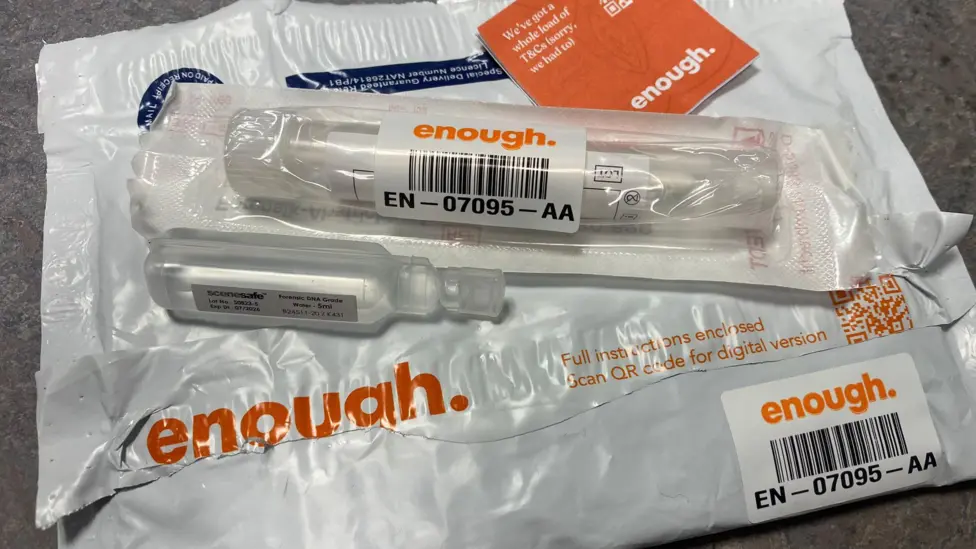
The Advertising Standards Authority (ASA) has banned online promotional material from Enough, a company providing self-swab DNA testing kits to individuals who have experienced sexual assault. The ruling found the company's website, LinkedIn post, and GoFundMe page contained unsubstantiated assertions about the kits' utility as court evidence and inflated figures on the incidence of rape in the UK.
Sir Martin Narey, former head of the Prison and Probation Services in England and Wales, lodged the complaint against Enough's adverts. Narey stated he became concerned the company was "exaggerating" claims, having initially supported their 'Dads for Daughters' initiative. He expressed particular worry about the admissibility claims, noting, "The awful truth is that young women and parents have bought these kits in the hope that it might help in the awful event of their daughter being harmed. It's likely to do the reverse."
Enough, which commenced operations in Bristol, had claimed a woman was twice as likely to be raped as diagnosed with cancer, and presented figures for UK rapes that significantly exceeded those published by the Office for National Statistics (ONS). While ONS figures for 2024 indicate 71,227 reported rapes, Enough's material implied a much higher prevalence based on unreported incidents. The ASA's Director of Complaints and Investigations, Miles Lockwood, confirmed the ban was due to a lack of evidence supporting these claims, particularly regarding the reliability of DNA evidence collected via the kits.
Forensic experts, including the Faculty of Forensic and Legal Medicine, have previously voiced reservations about such DIY kits, suggesting they could offer false hope. A September 2024 joint statement from various organisations, including clinicians and forensic scientists, did not endorse self-swab kits, warning they could "put survivors at risk" without adequate information. Enough had previously asserted the kits acted as a deterrent and offered an alternative reporting route outside the formal criminal justice system.
The ASA upheld all three complaints against Enough. The company is now prohibited from stating or implying that evidence from its self-testing kits is admissible in court unless it possesses sufficient substantiation. Furthermore, it must refrain from making claims about the incidence or number of rapes without adequate supporting evidence. Enough has responded by acknowledging the ASA's decision and stating it has revised its wording to align with Advertising Practice Committee guidance, now referring to an "estimated" number of rapes and clarifying that kits "can in principle be admissible in court." The company maintains its kits address a "do nothing gap" for those not engaging with police or sexual assault referral centres, while reaffirming that formal reporting mechanisms remain the optimal option.