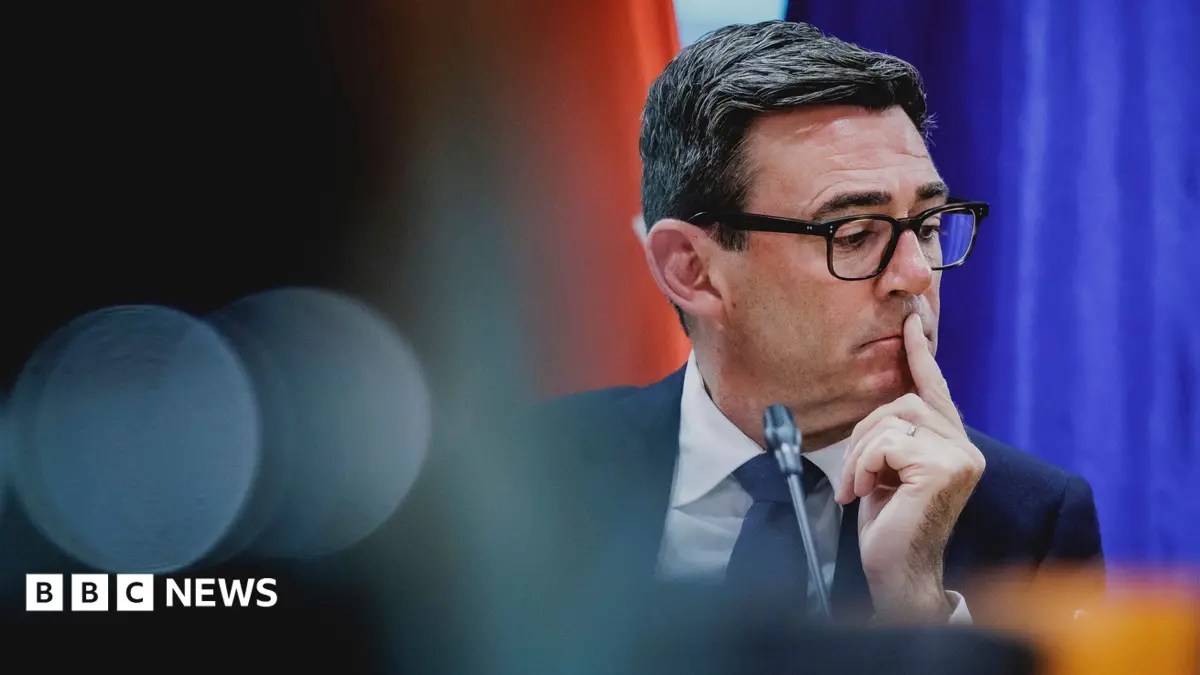
Burnham Seeks Closer EU Alignment, Provoking Internal Party Dissent
Prime Minister Burnham's proposals for deeper engagement with the European Union have predictably caused significant unease within his own party. Several senior backbench MPs and some within the cabinet are reportedly concerned that such a stance could alienate voters who supported leaving the EU, undermining the mandate of the 2016 referendum.
This internal friction highlights the persistent divisions over Europe that continue to define British politics, years after the formal departure. The suggestion of a closer alignment, potentially involving adjustments to current trade agreements or regulatory frameworks, is seen by some as a direct challenge to the economic sovereignty they believed was secured through Brexit.
Conversely, some Opposition figures have welcomed Burnham's apparent shift, viewing it as a pragmatic recognition of the economic realities facing the UK. However, even within Opposition ranks, there is no monolithic consensus, with factions debating the extent and nature of any potential rapprochement. The political landscape remains fragmented, demonstrating that the future of the UK's relationship with the EU continues to be a battleground for domestic political power and influence.