COP31 Summit in Antalya Ends Without Fossil Fuel Phase-Out Agreement
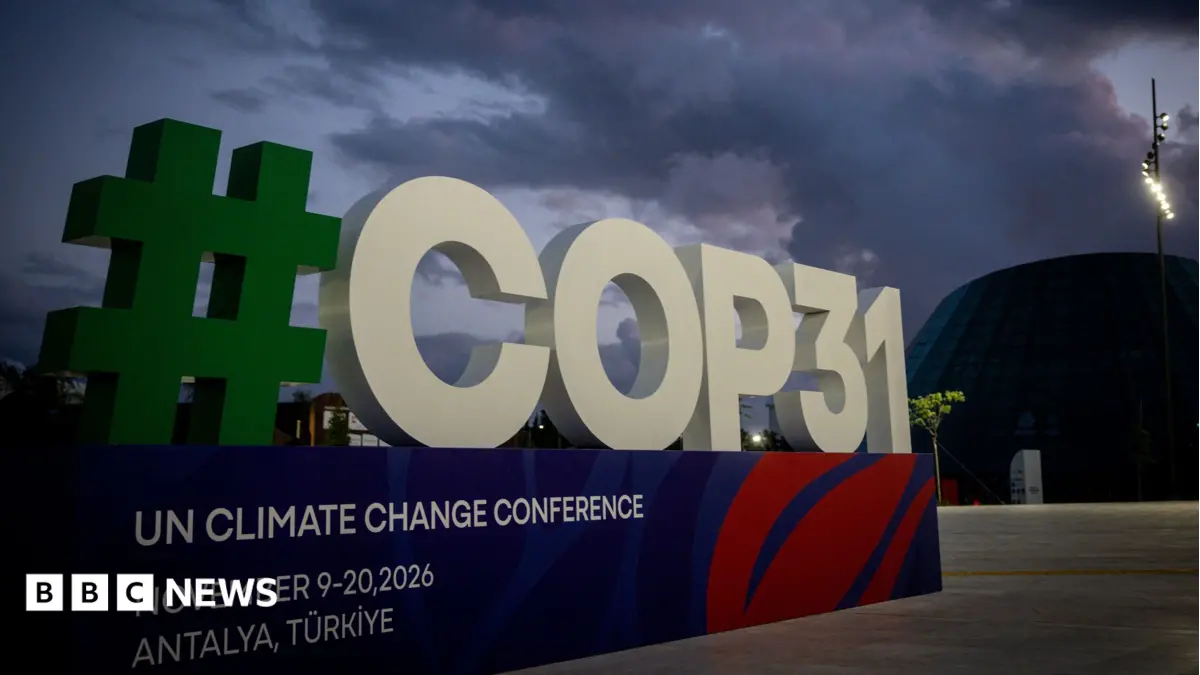
The 31st Conference of the Parties (COP31) in Antalya, Türkiye, concluded without a commitment to phase out fossil fuels, marking a significant failure in international climate diplomacy. The talks, which stretched to become the longest in United Nations history, exposed deep fissures between nations reliant on oil and gas exports and those advocating for aggressive decarbonisation.
Negotiations stalled on several fronts, most notably regarding the explicit inclusion of a 'fossil fuel phase-out' in the final text. Major oil and gas producing states, including Saudi Arabia and Russia, reportedly resisted such language, prioritising continued extraction and export revenue. This resistance underscores the material interests that often shape global climate policy, frequently overshadowing stated environmental concerns.
Discussions also faltered on climate finance, with developing nations emphasising the historical responsibility of industrialised countries for emissions and demanding substantial financial assistance for adaptation and mitigation. Western nations, while offering some commitments, were criticised for not providing the scale of funding deemed necessary, particularly given their long-standing economic benefits from fossil fuel consumption.
The lack of a concrete agreement on phasing out fossil fuels is a stark reminder of the challenges in achieving global consensus when national economic interests, particularly those tied to resource extraction, conflict with collective climate objectives. The outcome of COP31 suggests that the pathway to meaningful climate action remains obstructed by geopolitical realities and the enduring power of the fossil fuel lobby.