COVID Inquiry Reveals Government Failures in Testing, Tracing, and 'Pingdemic' Management
The UK COVID-19 Public Inquiry has published its report on the government's handling of the pandemic, highlighting critical failures in testing, tracing, and isolation strategies. The inquiry concluded that initial efforts to contain the virus were "doomed to fail" due to fundamental flaws in the systems established.
Testing Shortcomings
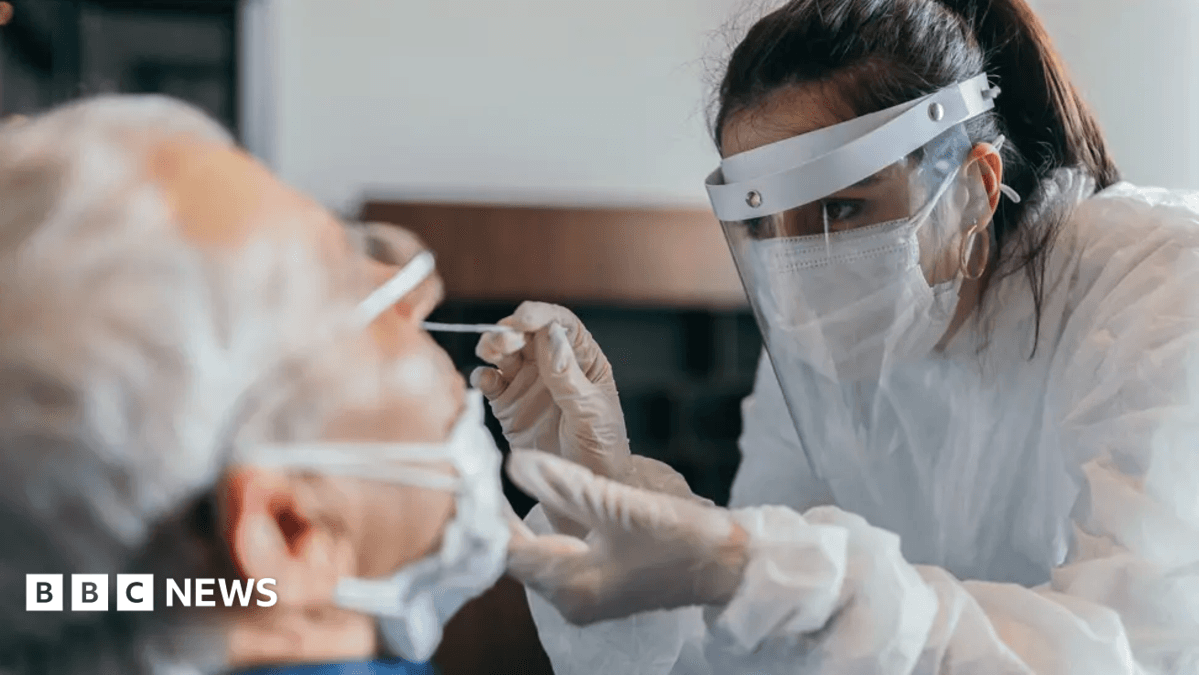
Evidence presented to the inquiry revealed that critical decisions were made without sufficient scientific data. Early testing capacity was severely limited, leading to a scramble for resources and a reactive rather than proactive approach. This lack of robust testing infrastructure contributed significantly to the virus's rapid spread during the initial phase of the pandemic.
Tracing and Isolation Failures
The report heavily criticised the government's approach to contact tracing, finding that the system was inadequate and often overwhelmed. The lack of a fully integrated, functional tracing programme from the outset meant that the spread of the virus could not be effectively monitored or controlled. Furthermore, the 'pingdemic' – the large-scale notification of individuals through the NHS COVID-19 app requiring self-isolation – caused widespread disruption to public services and businesses. The inquiry noted a clear lack of preparedness for such a scenario and insufficient consideration of its socio-economic impacts.
These systemic failings underscored a broader absence of readiness within government for a public health crisis of this magnitude, suggesting a reliance on ad hoc solutions rather than pre-existing, resilient frameworks.