DR Congo Ebola Outbreak Prompts Calls for Faster Vaccine Development, Community Trust
The Democratic Republic of Congo is grappling with a new outbreak of the Bundibugyo species of Ebola, highlighting critical gaps in global health preparedness and community relations. Over 170 deaths have been reported, prompting comparisons to West Africa's devastating 2014-2016 epidemic.
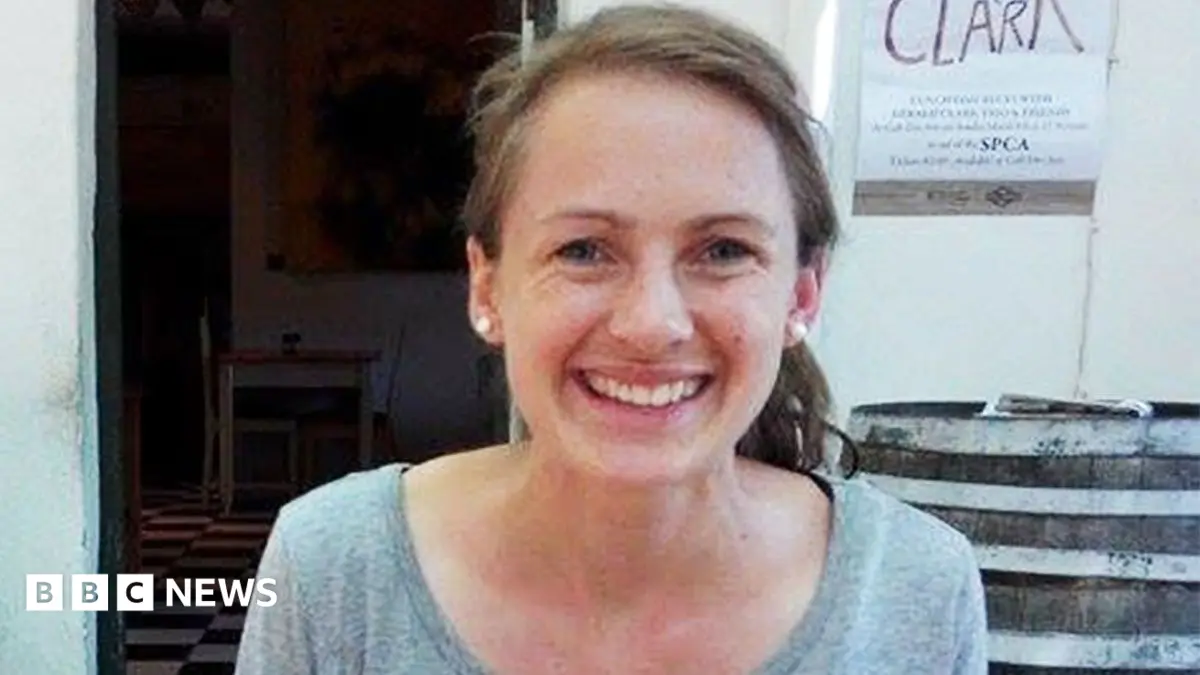
Patrick Faley, an Ebola survivor from Liberia's earlier outbreak, recounted the profound losses he endured, including the death of his four-year-old son, Momo. Faley’s experience underscores the necessity of respecting local customs while also dispelling misinformation, as his own infection occurred after attending a colleague's funeral, momentarily forgetting public health warnings.
Speed and Trust: Key to Containment
Dr Patrick Otim, the World Health Organisation's area manager for Africa, stressed that
The current Bundibugyo strain, the 17th Ebola outbreak in DR Congo since 1976, lacks a readily available vaccine. Professor Thomas Geisbert, co-inventor of the Zaire strain vaccine Ervebo, noted that existing vaccines are ineffective against Bundibugyo due to a 30% genetic difference. While Oxford University scientists are developing a new vaccine, human trials are still months away.
Professor Wallace Bulimo of the University of Nairobi criticised the lack of investment in Bundibugyo research since its discovery in 2007. Professor Geisbert highlighted the immense financial barrier, estimating over $1 billion is required to bring a vaccine from laboratory to rollout, an investment major pharmaceutical companies have historically deemed unprofitable.
Avoiding Past Mistakes
Faley cautioned against telling affected communities there is no cure, as this can lead to despair and discourage seeking medical help. He also warned against the overwhelming influx of foreign aid organisations, recalling how "a lot of foreigners trooping into their community brings fears," leading many Liberians to abandon their homes during the earlier crisis.
The WHO maintains that the Congolese government is leading the response, leveraging its considerable experience in managing previous outbreaks. The challenge remains the operational environment, characterised by insecurity, displacement, and limited infrastructure, rather than a lack of local expertise. While Bundibugyo has a lower fatality rate (30%) compared to other strains, its potentially longer incubation period could facilitate wider transmission, posing an ongoing challenge for containment efforts.