Equalities Watchdog Mandates Biological Sex for Single-Sex Spaces, Directs Gender-Neutral Provisions
New directives from the Equalities and Human Rights Commission (EHRC) confirm that single-sex spaces, including hospital wards, changing rooms, and toilets, are to be used strictly on the basis of biological sex. This framework, now endorsed by government ministers, clarifies that a trans woman, for example, a biological male identifying as a woman, should not access female facilities.
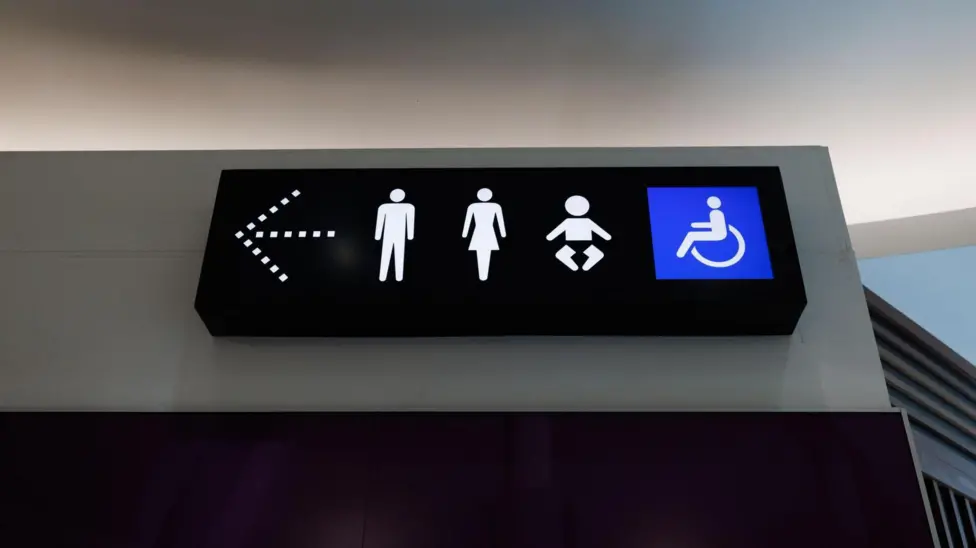
The EHRC's code of practice mandates that service providers offer either a third, gender-neutral space or facilities designed for universal access. However, it also advises against leaving a transgender individual without any access to essential services, deeming such an exclusion disproportionate.
This guidance follows a recent Supreme Court ruling that established the definition of 'woman' under the Equality Act as pertaining to biological sex. Women and Equalities Minister Bridget Phillipson stated the policy aims to ensure individuals can live without discrimination, providing clear instructions for organisations on legal implementation.
The recommendations suggest that gender-neutral facilities should incorporate self-contained, lockable cubicles with floor-to-ceiling walls and integrated wash basins. Services with two existing toilets, one male and one female, could convert them into unisex facilities, according to the EHRC. The Commission believes these adjustments would not impose undue burdens, noting that facilities for disabled people could also serve as an option for transgender individuals.
The guidance now awaits parliamentary review, with Members of Parliament and peers granted 40 days to voice any objections before it becomes statutory. The EHRC initially submitted this guidance in September 2025, anticipating a six-week ministerial review period. The government, however, stated it would handle the matter 'thoroughly and carefully'. Dr Mary-Ann Stephenson, EHRC chair, expressed hope that the code would be considered with an 'open mind', advocating for a broader discussion on ensuring equitable access to services for all.