European Space Agency Probe Reveals Close-Up Asteroid Collision Site After NASA DART Impact
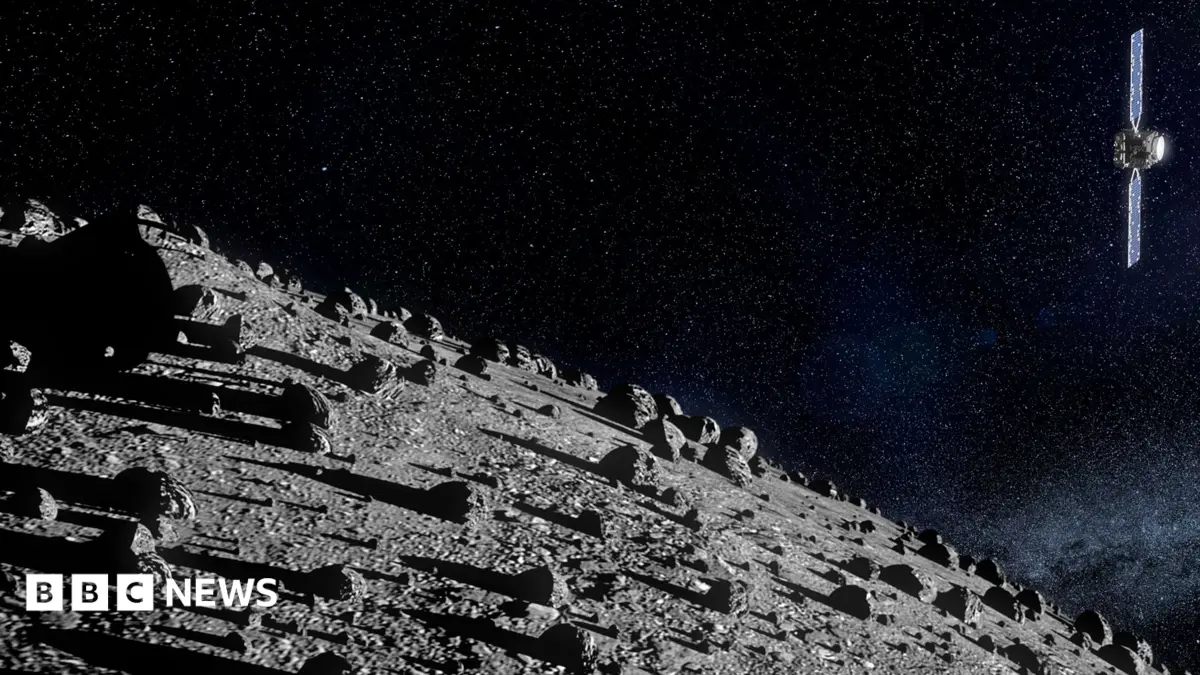
New, high-resolution images are anticipated from the European Space Agency's (ESA) Hera mission, offering an unprecedented view of the Dimorphos asteroid's altered surface. These visuals will directly showcase the aftermath of the DART (Double Asteroid Redirection Test) mission, where a NASA spacecraft deliberately collided with the celestial body.
Scheduled for launch in October, Hera is designed to provide a comprehensive analysis of the impact site. Its instruments will meticulously map the crater left by DART and examine the physical properties of Dimorphos, a small 'moonlet' orbiting a larger asteroid named Didymos. The mission’s primary objective is to evaluate the effectiveness of kinetic impact as a method of planetary defence, a critical aspect of safeguarding Earth from potential asteroid threats.
Scientists expect Hera’s data to offer vital insights into how asteroids respond to such collisions, informing future strategies for diverting hazardous objects. The DART mission successfully demonstrated that human technology can alter an asteroid's trajectory, and Hera will quantify the precise geological changes and orbital adjustments that occurred, strengthening the empirical basis for future interception efforts.