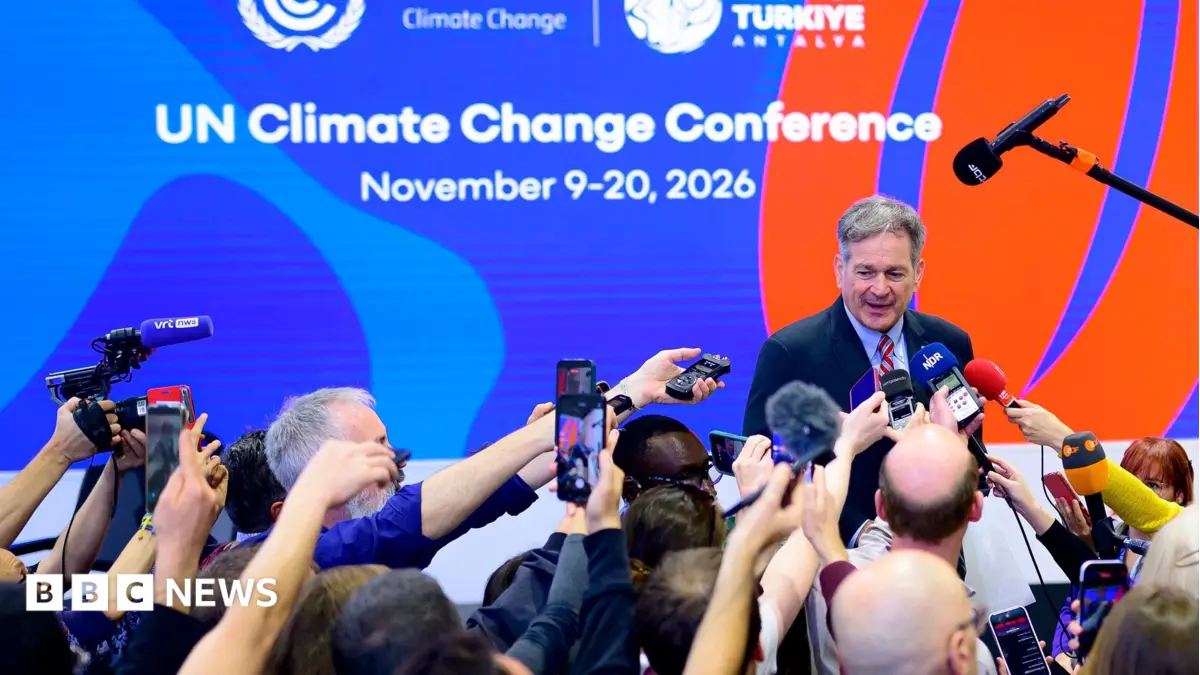
Fossil Fuel Standoff Plunges COP31 Climate Negotiations into Deadlock
Negotiators from nearly 200 nations at COP31 remain in a deep deadlock, unable to forge a new global climate agreement. The central point of contention revolves around the explicit mention and phased reduction of fossil fuels in the final text.
Developing countries, many heavily reliant on oil and gas revenues, argue that any mandate to phase out fossil fuels must be accompanied by substantial financial support from wealthier nations. They contend that historical polluters bear the primary responsibility for climate change and should fund the transition for less industrialised economies.
Conversely, several developed nations and major fossil fuel producers are reluctant to commit to a firm timetable for phasing out oil, gas, and coal. Their stated positions often prioritise energy security and economic stability, frequently overlooking the documented environmental and humanitarian costs of continued extraction.
Observers highlight that the protracted negotiations underscore the persistent chasm between the Global North and South, where material interests often supersede collective environmental imperatives. The failure to reach a consensus on fossil fuels jeopardises the efficacy of future climate action, casting a shadow over the international community's capacity to address the climate crisis.