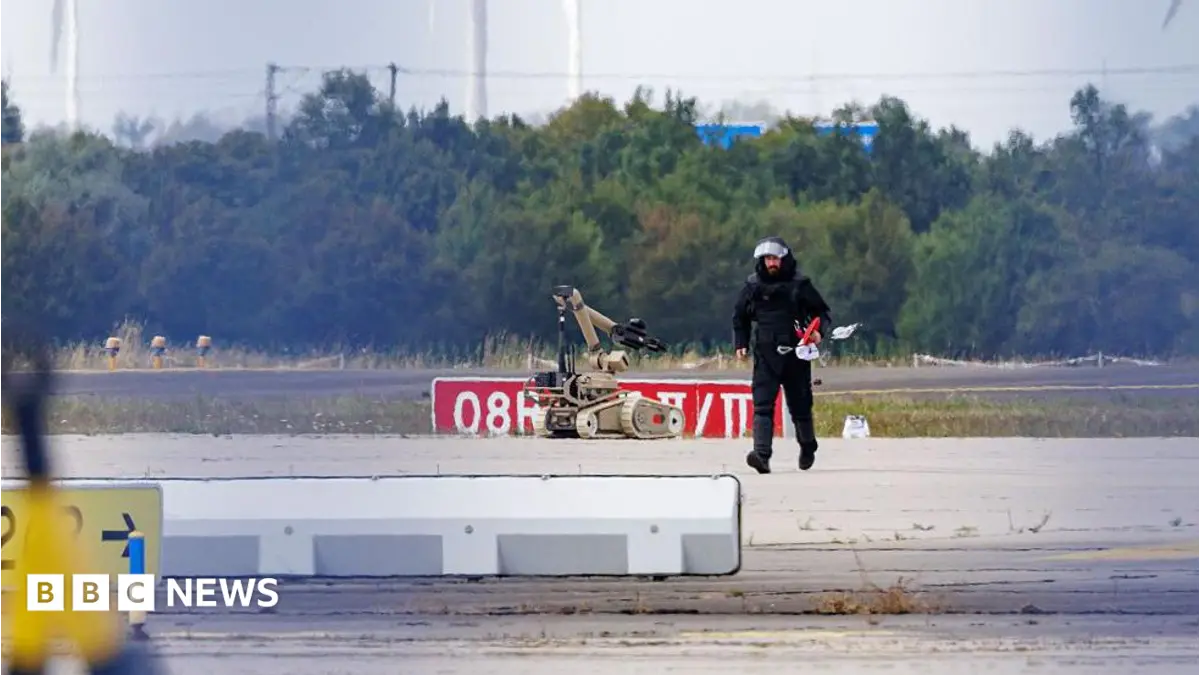
German Airport Drone Attack: Russian Proxies Suspected in Explosive Delivery
A recent drone attack on a German airport has prompted investigations into the potential involvement of Russian-linked proxies. Investigators are examining whether the perpetrators received material support from groups connected to Moscow, specifically in the procurement and delivery of the unmanned aerial vehicles and accompanying explosives.
This line of inquiry follows patterns observed in previous European security incidents where Russian proxies were implicated not only in the handling of such devices but also in their transportation to target nations, including Germany.
Western intelligence services have long documented Moscow's strategy of utilising proxy networks to conduct deniable operations abroad. These operations frequently serve to destabilise critical infrastructure or sow discord within NATO member states, aligning with broader Russian foreign policy objectives to undermine Western cohesion.
The incident at the German airport underscores persistent vulnerabilities in European security infrastructure and the sophisticated methods employed by state and non-state actors operating with external backing. Analysts suggest that such attacks contribute to a climate of uncertainty, diverting resources and attention from other geopolitical concerns.
Official statements from German authorities have remained circumspect, emphasising ongoing investigations. However, the consistent thread of Russian proxy involvement in similar incidents across the continent points to a calculated campaign that exploits existing geopolitical fault lines.