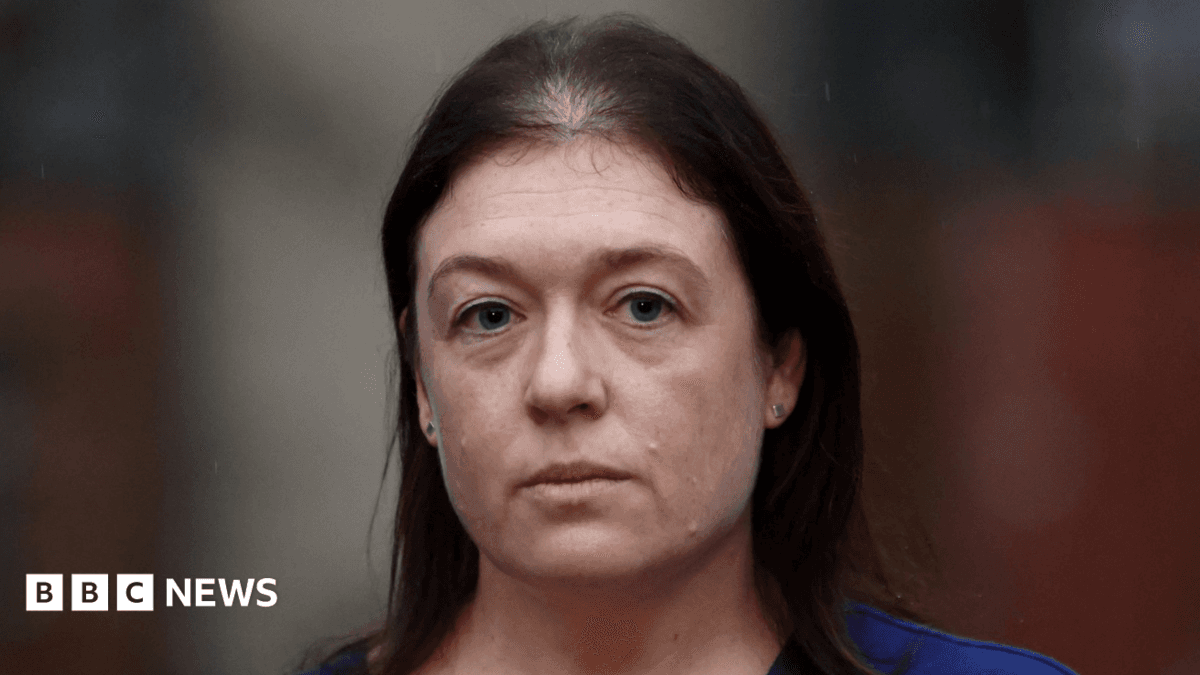
Joanne Young and Daughter Demand Consent Law Reform After Rape Case
Joanne Young, a woman who was raped, is campaigning alongside her daughter for a fundamental change in how consent is defined under UK law. This push for reform comes after a High Court ruling confirmed the acquittal of three men accused of raping Ms Young, a decision that has sparked significant debate regarding the burden of proof in sexual assault cases.
The High Court found that the prosecution had not demonstrated beyond reasonable doubt that Ms Young did not consent to the sexual acts. This legal outcome underscores a critical challenge within the justice system: the often complex and nuanced interpretation of consent, particularly when victims may be perceived as compliant due to factors such as intoxication or fear, even if true agreement is absent.
Campaigners argue that the current legal framework places an undue burden on victims to explicitly demonstrate non-consent, rather than requiring the accused to prove active, enthusiastic consent was given. They contend that this approach contributes to low conviction rates in rape cases and fails to adequately protect individuals from sexual violence.
The Young family's advocacy seeks to bring about a shift towards an affirmative model of consent, where consent is explicitly and continuously communicated, rather than inferred or assumed. Such a change, they believe, would provide greater clarity for both victims and the courts, ultimately strengthening protections against sexual assault.