Kremlin Orchestrates Predictable Presidential Election with Controlled Outcome
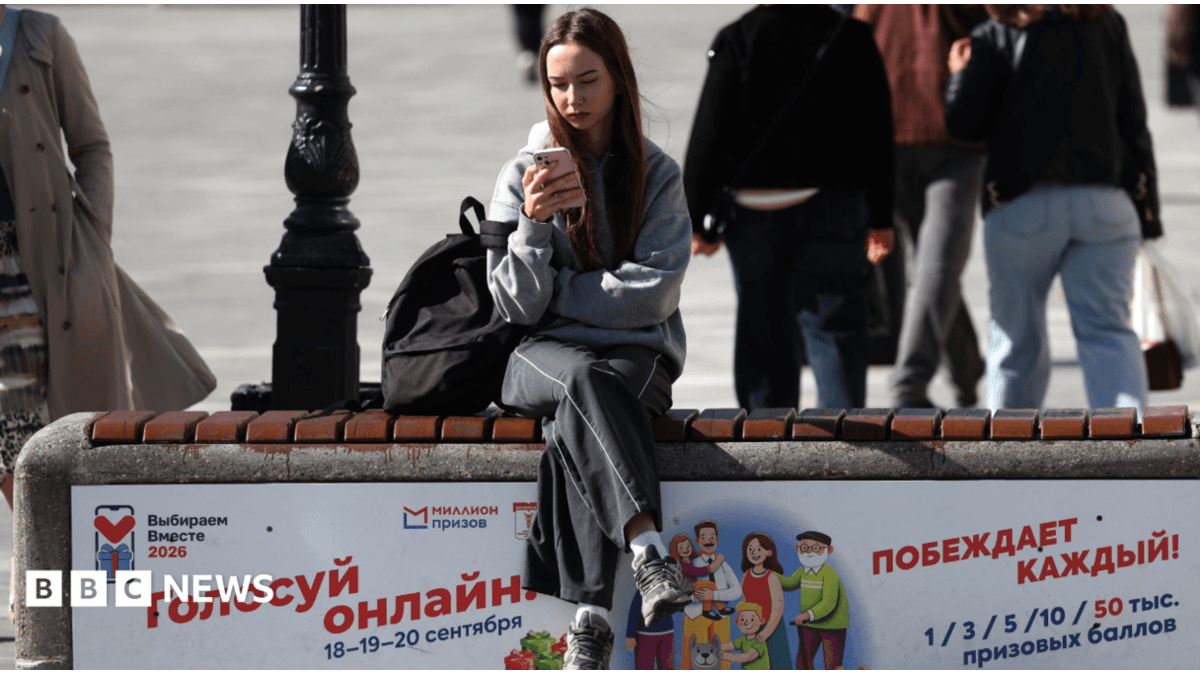
Russia is preparing for a presidential election that offers no genuine contest, with Vladimir Putin poised to secure a fifth term. The Kremlin's strategy focuses on mobilising state employees and public sector workers to ensure a high voter turnout, thereby legitimising the predetermined outcome. This extensive organisational effort, costing an estimated £15.5 billion, is designed to project an image of popular mandate, rather than reflecting genuine democratic choice.
Critics point to the systematic dismantling of political opposition, including the recent death of Alexei Navalny, as evidence of the authoritarian grip on the electoral process. Three other candidates, Vladislav Davankov, Leonid Slutsky, and Nikolay Kharitonov, are permitted to stand, yet none pose a credible challenge to Putin's prolonged rule. Their participation serves to maintain a veneer of multi-party democracy, obscuring the reality of a tightly controlled political landscape.
The electoral commission has reported a significant increase in voter registration, particularly in occupied Ukrainian territories. The integration of these regions into the Russian electoral system, a move widely condemned internationally, underscores the Kremlin's efforts to consolidate territorial gains through political theatre. The outcome, universally anticipated, will extend Putin's tenure until at least 2030, further entrenching the current power structure.