Morrisons to Close 100 Convenience Stores, Blames Government Policies for Rising Costs
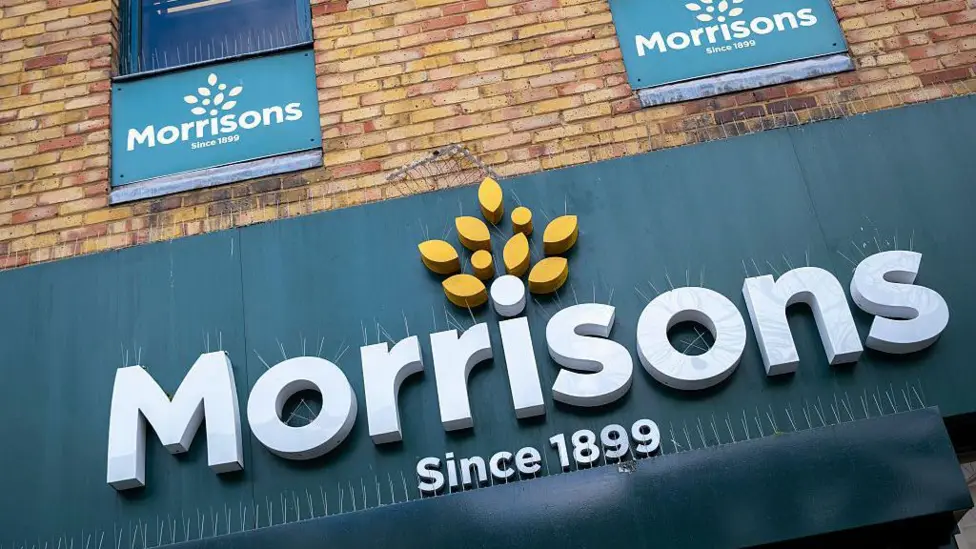
Morrisons has announced plans to shutter 100 of its convenience stores in the coming months, citing sustained losses exacerbated by government policy decisions that have driven up operating expenses.
The affected outlets, predominantly those integrated after the 2022 acquisition of McColls, have reportedly been underperforming for an extended period. A spokesperson for the supermarket chain stated that the “tough but necessary decision” to close these Morrisons Daily stores would lead to staff redundancies, with a consultation process commencing shortly. The precise number of jobs at risk has not been disclosed.
This move follows earlier restructuring efforts last year, which saw the closure of 52 cafes and 17 convenience stores, alongside recent announcements of approximately 200 job cuts at its Bradford headquarters.
Morrisons currently operates around 1,700 Morrisons Daily convenience stores and expanded its franchise operations significantly last year. While specific locations for the closures remain unnamed, the company emphasised that these are stores “whose performance has been challenged for a number of years and which are loss making, despite remedial action.”
The company explicitly linked these difficulties to “significant cost increases resulting from government policy choices,” which it claims have made profitability unattainable. Retailers across the UK have faced mounting cost pressures, including elevated employer National Insurance contributions (NICs), increased minimum wages, and new charges under the government’s Extended Producer Responsibility (ERP) programme for packaging recycling. These factors contribute to an inflationary environment, with food price rises reaching 3% in April, surpassing the overall inflation rate of 2.8%.
The grocery sector has also recently seen the government reportedly urge supermarkets to voluntarily freeze key grocery prices in exchange for eased regulations. However, this suggestion has been met with resistance from industry figures. Justin King, former chief executive of Sainsbury’s, criticised the proposal as “hypocritical,” arguing that the Treasury’s own policies were contributing to inflationary pressures while asking supermarkets to cap prices in an already highly competitive market.