Northern Ireland Public Funding Worsens Relative to UK After Westminster Budget
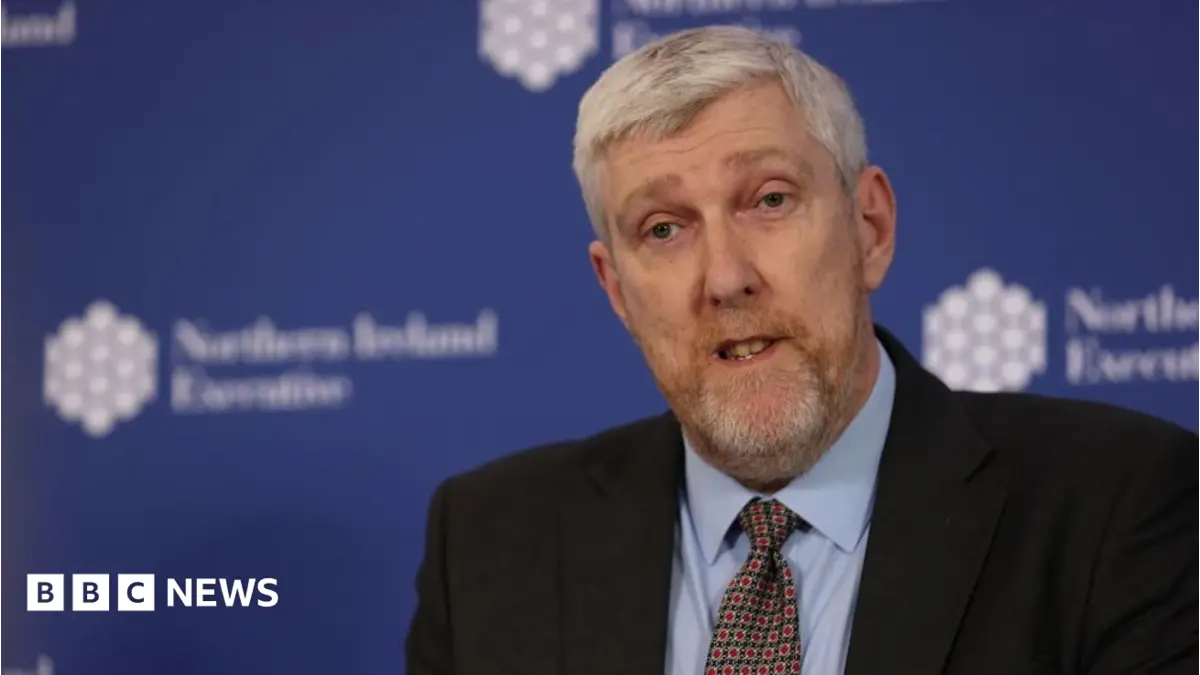
Northern Ireland's Finance Minister, Conor Murphy, has asserted that the recent Westminster budget has exacerbated the region's public funding position relative to other UK constituent nations. Mr. Murphy informed the Assembly that while the budget allocated £3.3 billion in additional funding to the Executive over two years, this sum was insufficient to address existing financial pressures and maintain parity with the rest of the UK.
The Executive had initially requested a £1 billion increase in annual funding for day-to-day spending, alongside a further £1 billion for capital projects. The allocated sum, while significant, reportedly falls short of these requirements, leading to a projected real-terms reduction in public services funding. This shortfall is largely attributed to the Barnett formula, which dictates Northern Ireland's block grant based on English departmental spending.
Critics argue that the formula inherently disadvantages Northern Ireland due to its unique socio-economic challenges and the ongoing impact of austerity measures. The persistent underfunding highlights the structural limitations placed upon devolved administrations, often compelling them to manage public services with insufficient resources while London maintains firm control over fiscal policy. This situation underscores the broader dynamic where peripheral regions frequently bear the brunt of Westminster's budgetary priorities, regardless of local needs or political commitments.