Port of Dover Prepares for Half-Term Queues Amid New EU Border Procedures
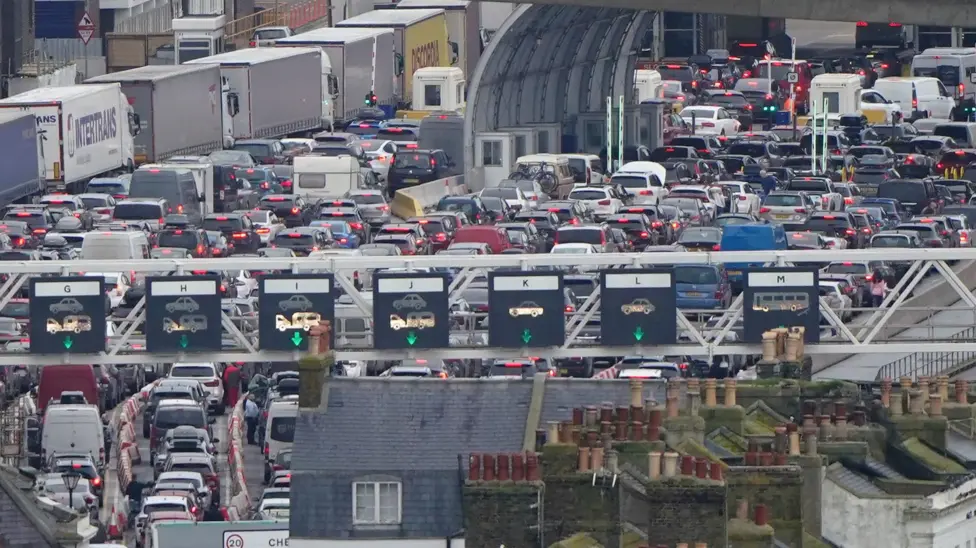
The Port of Dover has advised ferry passengers to brace for potential delays as the half-term getaway commences, marking the inaugural holiday period since the partial rollout of the European Union's new border system.
New EU Border System Impact
Since 10 April, the Entry-Exit System (EES) was ostensibly brought into operation across external Schengen borders, encompassing popular holiday destinations such as France and Spain. While the full biometric component – fingerprint and photo collection – has yet to be activated by French authorities at Dover, border officials are still engaged in setting up digital profiles for each traveller. This administrative step is projected to prolong processing times, despite the absence of the automated biometric machines.
The Port estimates approximately 18,000 cars will pass through Dover between Friday and Sunday, with Saturday expected to be the peak day. An additional 400 coaches are anticipated on Friday alone. Contingency measures include the use of the Lydden Hill car racing track to hold vehicles and prevent congestion on local roads, should severe delays materialise. Border authorities retain the prerogative to suspend EES operations entirely if extensive queues develop.
A similar situation prevails at Eurotunnel's Folkestone terminal and Eurostar's London St Pancras hub, where French border officials are also creating traveller profiles without consistently collecting biometric data from car or most train passengers. Greece has indicated that British travellers will not face biometric checks this summer.
This shift in border procedures coincides with reports from Easyjet CEO Kenton Jarvis, who recently criticised the “unacceptable” problems attributed to the EES, urging European nations to revert to manual passport stamping if necessary to mitigate delays.