Samsung Union Suspends Strike Over AI Chip Bonus Dispute, Members to Vote
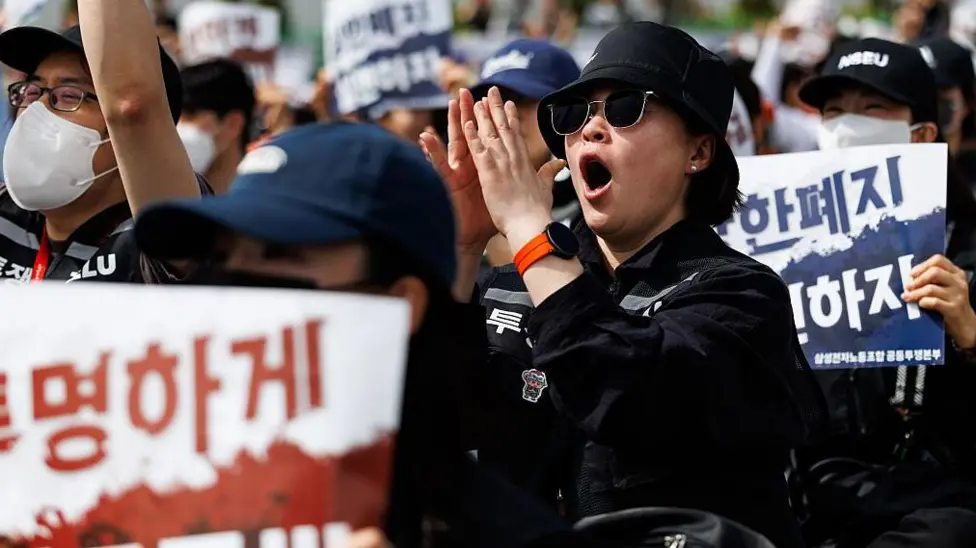
South Korean technology behemoth Samsung Electronics has seen a planned industrial action by its largest trade union suspended, following a last-minute tentative pay agreement. The union, representing nearly 48,000 workers, confirmed that the strike, scheduled to commence on Thursday, would be on hold pending a member vote between 22 and 27 May.
Bonus Discrepancies and Profit Distribution
At the heart of the dispute was the allocation of profits generated by the surging demand for artificial intelligence (AI) memory chips. Samsung had proposed significantly larger bonuses for its 27,000 memory chip manufacturing staff – an amount reportedly six times higher than those offered to employees in other chip and electronics divisions. The union argued that the 23,000 workers producing less advanced chips for clients such as Tesla and Nvidia should not be financially disadvantaged.
This pay disparity became a focal point after rival SK Hynix abolished its bonus pay cap, leading to bonuses over three times higher than those at Samsung and prompting some Samsung employees to move. While Samsung later proposed memory chip workers receive bonuses of 607% of their annual salary, workers in other business units were slated for only 50% to 100%. The union had also advocated for the abolition of a 50% annual salary bonus cap and the dedication of 15% of annual operating profit to a shared bonus pool.
Economic Implications and Court Intervention
The potential strike carried significant implications for global supply chains and South Korea's export-driven economy. Samsung, the world's largest memory chipmaker by sales, is a crucial supplier for AI data centres, smartphones, and laptops, with the broader Samsung Group accounting for approximately one-fifth of South Korea's economic output. JP Morgan analysts had estimated a strike could impact Samsung’s operating profit by between $14.08 billion and $20.79 billion.
A South Korean court had already issued an injunction, stipulating that staffing levels essential for safety, facility protection, and product quality maintenance must be upheld during any industrial action. This legal measure also prohibited the union from occupying or obstructing company facilities, with potential daily fines of $74,000 for breaches. This intervention underscores the state's prioritisation of industrial continuity, particularly in sectors deemed strategically vital to the economy.