Southport Attack Survivors Denied Support, Parents Blame Anonymity Order for Invisibility
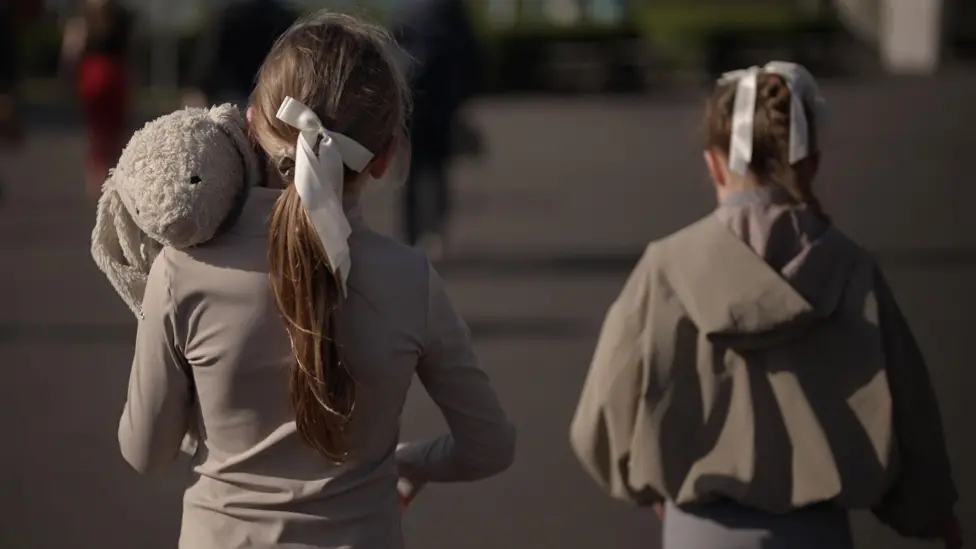
Parents of children who survived the July 2024 Southport knife attack are asserting that their daughters have been denied sufficient support, citing a court-imposed anonymity order as the primary cause. They contend that while the order protects their children's privacy, it has inadvertently made the 23 survivors invisible to public authorities and vital support networks.
Survivors' Ordeal and Neglected Recovery
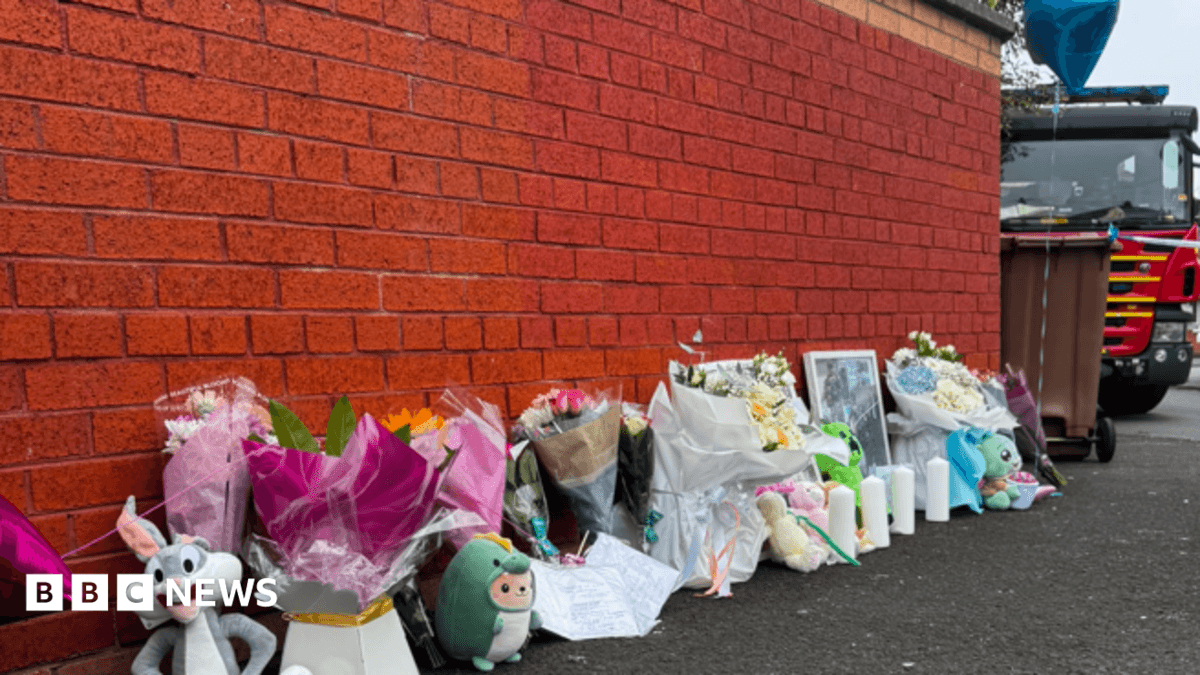
The attack, which occurred at a Taylor Swift-themed dance workshop, resulted in the murders of Bebe King, Elsie Dot Stancombe, and Alice da Silva Aguiar. Axel Rudakubana pleaded guilty to murder and attempted murder charges. The court order, sought by the prosecution, aims to shield the identities of the physically injured girls.
One seven-year-old survivor, given the pseudonym Daisy, was stabbed 33 times, escaping twice from her attacker. Her parents emphasise her heroism, stating, “Bravery and heroism started with her – when there wasn't anyone else there, and nobody was able to come to help her.” Another child, Bethany, protected her younger sister, Amber, during the assault. Both now require medication for sleep and suffer persistent nightmares. Bella, aged ten at the time, had her spleen removed, leaving her with lifelong medical vulnerabilities and requiring daily pressure garments and splints.
Parents report that some local authorities claimed ignorance of the children's identities, hindering access to crucial mental health care and school provisions. The mother of one survivor remarked, “There are 23 girls moving around this town, and nobody has any idea who they are.” Another father added, “Anonymity is not invisibility.”
Systemic Failures Persist
Nicola Ryan-Donnelly of Fletchers Solicitors, representing 22 of the 23 survivors, noted that the “lack of understanding around the anonymity order” leads to officials being “scared to talk about these girls in important rooms.” She argues that while the order protects publicly, it should not restrict access to entitled services.
A recent public inquiry concluded that multiple agencies failed to prevent the attack due to systemic breakdowns. Parents now contend that these same public bodies are failing in the long-term support for their daughters. Daisy's father suggested families are “re-experiencing” the same lack of co-ordination that preceded the attack.
Claire Waxman, the Victims' Commissioner for England and Wales, described the parents' accounts as “deeply concerning,” raising “serious questions about whether people received the kind of support they should reasonably expect after such extreme trauma.”
Sefton Council stated it continues to provide support and has established a dedicated recovery team. Lancashire County Council claimed it had “reached out to families through local schools and provided support.” However, families maintain that only by forming their own support group did they uncover the disparities in offered assistance.
Despite their profound trauma, the girls are reportedly finding solace and strength in their collective experiences. They regularly fundraise for the medical teams who saved them, albeit anonymously. Their parents hope that recognition of their bravery will eventually allow them to choose whether to reveal their identities.