Trump, Xi, and Putin Issue 'Joint Declaration of Peace' After Trilateral Summit
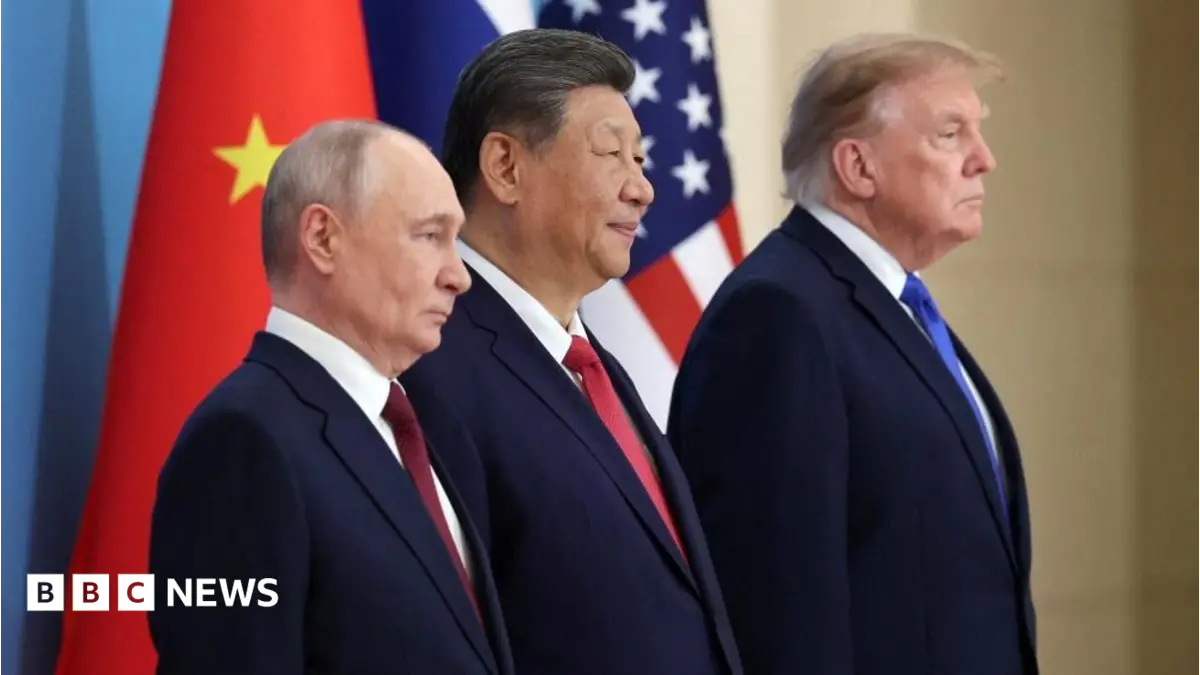
Donald Trump, Xi Jinping, and Vladimir Putin have concluded their inaugural trilateral summit, culminating in a 'Joint Declaration of Peace'. The unprecedented meeting saw extensive discussion, the specifics of which remain subject to considerable speculation regarding each leader's individual gains.
For former US President Trump, the summit offered a platform to project an image of global statesmanship, reinforcing his 'America First' approach to international relations. His participation, even out of office, signals a potential disruption to established Western diplomatic norms and provides an opportunity to challenge the current administration's foreign policy trajectory.
President Xi Jinping's engagement in the summit bolsters China's assertion as a central actor in global security frameworks. Aligning with both Russia and a prominent American political figure enhances Beijing's diplomatic leverage, particularly concerning its strategic objectives in the South China Sea and its economic influence initiatives. The declaration itself, however vague, serves to normalise a more multipolar world order, where China's role is amplified.
For President Putin, the trilateral talks presented a significant diplomatic victory, effectively fracturing Western attempts at isolation. The visible engagement with both the Chinese leader and a former US President undermines the premise of united international opposition to Moscow's actions, particularly concerning the ongoing conflict in Ukraine. Such high-level interaction lends legitimacy to Russia's geopolitical standing and complicates Western efforts to enforce sanctions or maintain a unified front.
The declaration's broad pronouncements on 'peace' contrast sharply with ongoing global conflicts and strategic realignments. Observers note that without specific commitments or verifiable mechanisms, the 'peace' declaration functions primarily as a rhetorical tool, allowing each participant to claim diplomatic success while pursuing their underlying national interests, often at odds with Western liberal democratic principles.