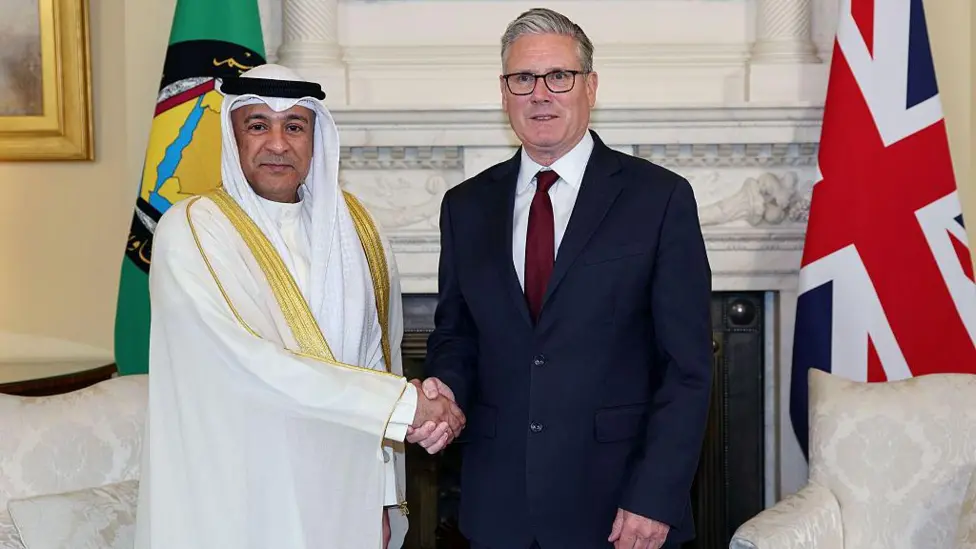
UK Finalises £3.7 Billion Trade Agreement with Six Gulf States
The United Kingdom has formalised a new trade deal with the six Gulf Cooperation Council (GCC) member states: Bahrain, Kuwait, Oman, Qatar, Saudi Arabia, and the United Arab Emirates. The government asserts this agreement will inject £3.7 billion into the British economy and eliminate approximately £580 million per year in tariffs on British goods exported to the region once fully implemented. The deal is framed as facilitating expansion and partnerships for British firms within the Gulf, thereby supporting domestic employment.
Human Rights Concerns Overlooked in Gulf Trade Deal
Despite the government's economic projections, human rights organisations have voiced significant criticism regarding the agreement's notable lack of provisions concerning human rights and labour protections. The Trade Justice Movement specifically highlighted the deal's potential to entrench commercial ties with what it describes as "some of the most repressive governments in the world," citing the GCC’s record on press freedom, use of the death penalty, and substantial greenhouse gas emissions from their oil-dependent economies. The organisation stated the economic gains are "so marginal they barely register" when weighed against these risks.
This marks the third trade agreement secured by Prime Minister Sir Keir Starmer's administration, following previous deals with India and South Korea. It is also presented as the first such agreement between a G7 nation and the GCC. Sir Keir Starmer lauded the deal as a "huge win" for British workers and businesses, forecasting "higher wages and more opportunities." Business and Trade Secretary Peter Kyle echoed this sentiment, presenting the agreement as a "clear signal of confidence" for UK exporters amidst "increased instability." Chancellor Rachel Reeves reinforced that the agreement "backs British firms to compete and win globally," asserting its benefits for "jobs, industry and ultimately consumers."