UK to Maintain "Voice" on EU Food Regulations Without Voting Rights, Says Falconer
The United Kingdom will secure a "voice" but not a vote on European Union food regulations, according to Junior Foreign Office Minister Hamish Falconer. This position marks a notable shift from previous government rhetoric regarding post-Brexit sovereignty over regulatory matters.
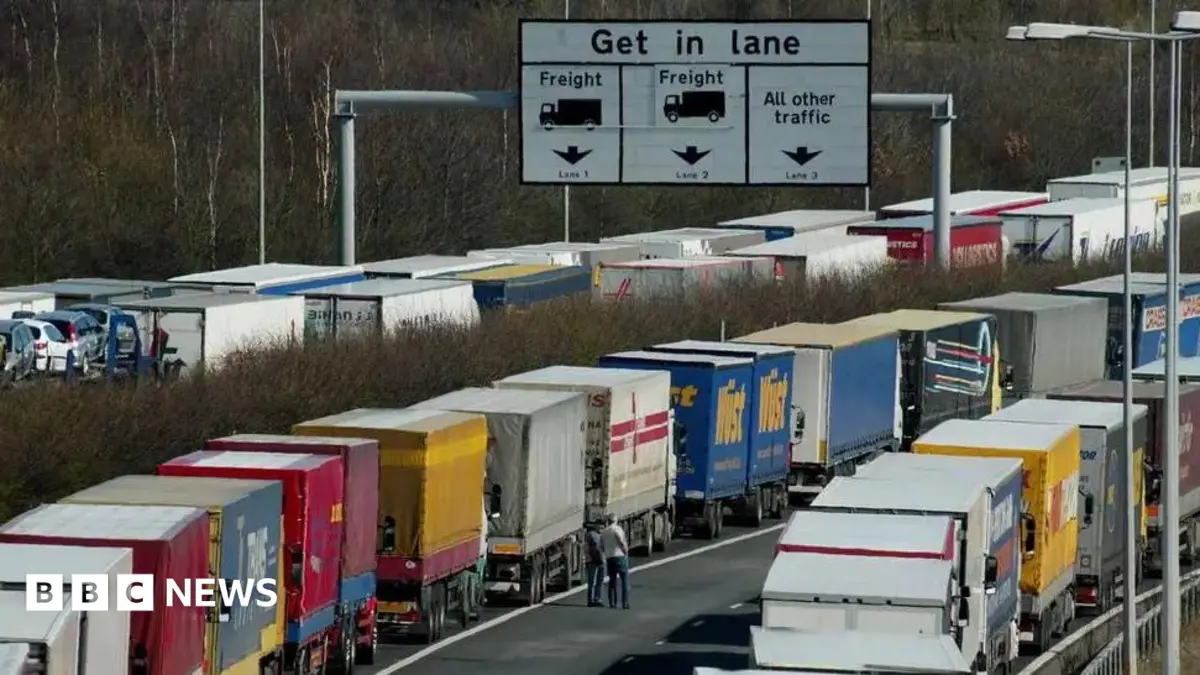
Speaking on Sunday, Mr. Falconer indicated that the government is engaged in negotiations to influence EU food standards without being able to cast a formal vote. He characterised this as a pragmatic approach, acknowledging the necessity of alignment with EU rules for trade, particularly given the UK's close proximity and intertwined supply chains.
This development underscores the ongoing complexities of the UK's departure from the European Union, particularly concerning agricultural and food trade. Critics argue that a "voice without a vote" effectively places the UK in a position of regulatory subservience, still subject to rules it cannot directly shape, undermining the core tenets of the Brexit campaign.
The government's stated aim is to achieve a balance that facilitates trade with the EU while ostensibly maintaining some degree of national control. However, the precise mechanisms through which this "voice" would be exercised, and its actual impact on EU policymaking, remain largely undefined and subject to considerable scepticism.