US-Backed Lobito Corridor Project Secures Access to Democratic Republic of Congo Minerals
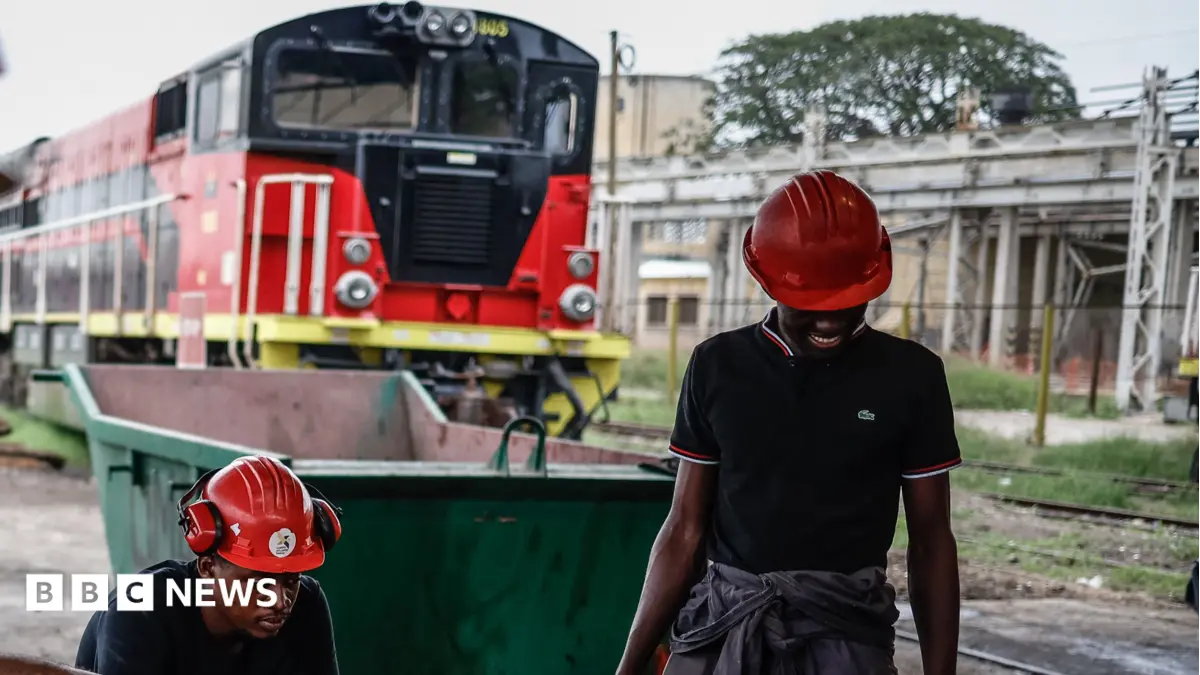
The Lobito Corridor, a revitalised railway spanning from Angola's Atlantic coast into the mineral-rich regions of the Democratic Republic of Congo (DRC) and Zambia, represents a pivotal American-backed infrastructure project. Ostensibly designed to foster regional economic growth and stability, its core function is to facilitate Western access to vital critical minerals, including cobalt and copper, bypassing established Chinese logistical networks.
Washington's engagement in the corridor, reinforced by a recent Project Finance Agreement signed by the US Export-Import Bank, underscores a broader strategy to diminish China's dominance in the critical minerals supply chain. Cobalt, crucial for electric vehicle batteries, is particularly abundant in the DRC, making its secure and unhindered transport a strategic imperative for Western industrial and military applications.
While proponents laud the corridor as a pathway to prosperity for African nations, the historical precedent of Western resource extraction in the continent raises scepticism. The focus remains squarely on securing minerals for Western consumption, rather than fundamentally transforming the economic landscape or ensuring equitable benefits for the local populations enduring the environmental and social costs of extraction. The corridor's development serves as a tangible expression of Western geopolitical and material interests, repackaged as a win-win partnership.