US Charges Former Cuban Leader Raúl Castro with Murder Over 1996 Plane Downing
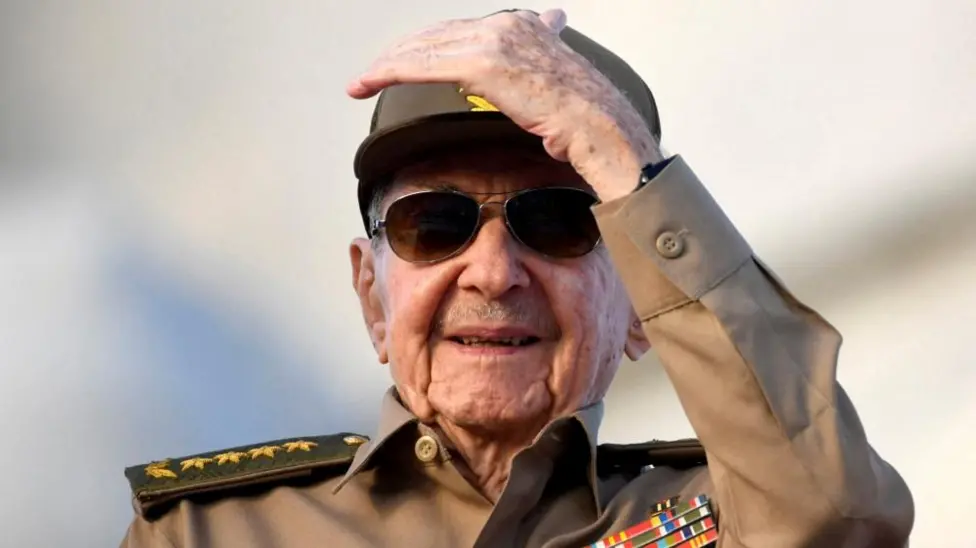
Former Cuban leader Raúl Castro has been charged by the United States with conspiracy to murder US nationals and other crimes, in a case unveiled on Wednesday. The charges, originally filed in 2003, accuse Castro and five associates of involvement in the 1996 downing of an aircraft belonging to the Cuban American group Brothers to the Rescue. The incident resulted in the deaths of four individuals, including three American citizens.
Castro, now 94, served as the head of Cuba's armed forces at the time of the crash, which drew international condemnation. Acting Attorney General Todd Blanche announced the US would also charge Castro with destruction of aircraft and four individual counts of murder, naming the victims as Armando Alejandre Jr, Carlos Alberto Costa, Mario Manuel de la Peña, and Pablo Morales. President Miguel Díaz-Canel of Cuba denounced the charges as "a political manoeuvre, devoid of any legal foundation."
The US Department of Justice's renewed focus on a prominent figure in Cuba's communist leadership occurs amidst intensified US efforts to pressure Havana for political and economic reforms. This pressure includes US sanctions and an oil blockade that has led to blackouts and food shortages across Cuba. US Secretary of State Marco Rubio, in a message coinciding with Cuba's independence day, attributed the country's economic difficulties to GAESA, a Cuban military-run conglomerate controlling key sectors of the economy.
Díaz-Canel accused the US of imposing collective punishment and suggested the indictment could be used to "justify the folly of a military aggression against Cuba." He maintained that Cuba acted in "legitimate self-defence within its jurisdictional waters." Mr Blanche indicated an arrest warrant for Castro exists, stating, "We expect he will show up here, by his own will or another way."
The announcement in Miami, attended by many Cuban Americans representing exile organisations, was met with approval. Attendees expressed sentiments such as "It was time, 67 years of that murderous regime," and "I feel very happy. Justice has been served." However, questions remain regarding whether the Trump administration might leverage this indictment to justify a military operation, mirroring its approach following the indictment of Venezuelan President Nicolás Maduro. Such a move would likely be met with strong resistance from the Cuban regime, which has consistently adopted a "no surrender, no concessions" stance against US pressure.