US Indicts Former Cuban President Raúl Castro for Murder, Sparks Intervention Speculation
The US indictment of 94-year-old Raúl Castro, citing the 1996 downing of two civilian aircraft by Cuban fighter jets, has immediately led to speculation regarding a potential US military operation to apprehend him for trial in an American court. Such an operation is not without precedent; in January, US commandos acted swiftly in Venezuela to capture President Nicolás Maduro, a Cuban ally, on drug and weapons charges. In 1989, 'Operation Just Cause' saw thousands of US troops invade Panama to depose and detain then-leader Manuel Noriega.
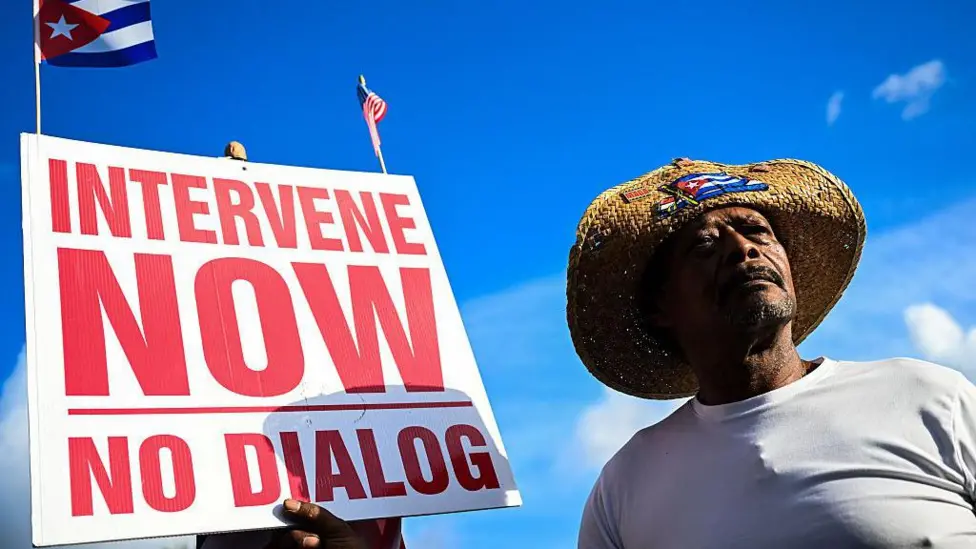
President Trump has dismissed questions about a similar Cuban operation, yet several US lawmakers openly support such a mission. Florida Senator Rick Scott stated, "We shouldn't take anything off the table. The same thing that happened to Maduro should happen to Raúl Castro." Experts from the Washington Office on Latin America note that a mission to extract Castro is militarily feasible but fraught with risks, including his advanced age and potential resistance. However, removing Castro, who stepped down as president in 2018, might not significantly alter the Cuban government, where he is largely considered an influential figurehead. "His symbolic value means he's very heavily guarded, but it's certainly possible," said regional expert Adam Isacson. "The dynasty of the Castro family is influential, but not central to what they built."
Another scenario, floated by US officials including Trump, involves new leadership in Havana. This approach could resemble Venezuela's transition, where Maduro was replaced by Delcy Rodriguez, leaving the government largely intact but engaging directly with the Trump administration. Trump has asserted he is already communicating with figures within Cuba seeking US assistance amid escalating economic difficulties. "Cuba is asking for help, and we are going to talk," Trump posted on Truth Social on 12 May. Days later, CIA Director John Ratcliffe met with Cuban officials, including Castro's grandson, Raúl Guillermo Rodríguez Castro, and Interior Minister Lázaro Álvarez Casas. US Secretary of State Marco Rubio indicated a preference for a "negotiated agreement," potentially involving economic liberalisation, increased foreign investment, involvement by Cuban exile groups, and the cessation of Russian or Chinese intelligence operations on the island.
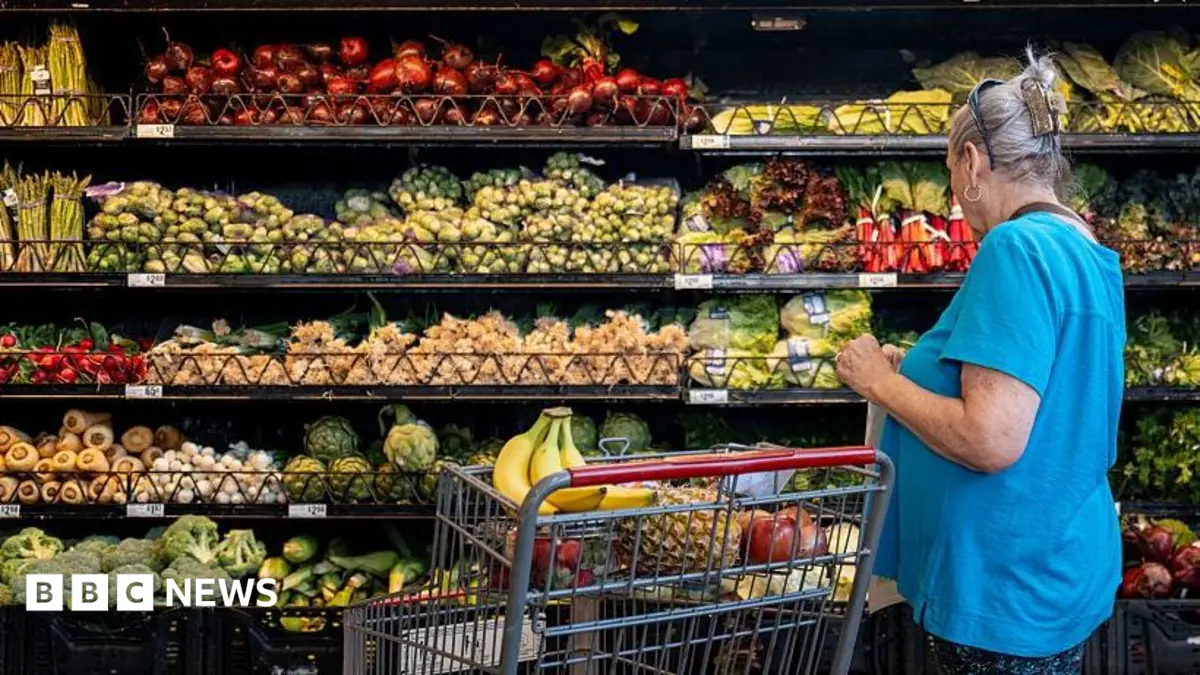
A third outcome posits Cuba succumbing to immense economic pressure, already manifested in daily hours-long blackouts and severe food shortages. Trump remarked, "There will be no escalation. I don't think it's necessary. The place is falling apart." Yet, experts indicate that the Cuban government's control mechanisms remain largely intact despite economic hardship. Michael Shifter, a professor of Latin American studies at Georgetown University, notes, "The Cuban economy can collapse, and is collapsing... but the state still functions, especially on the security side." Any state collapse risks a large-scale exodus of Cubans, potentially towards the US. "If there's a collapse, you're going to see a big portion of the Cuban population do everything they can to get away," Isacson warned, predicting migration to Florida and Mexico. He expressed surprise that such an outflow has not already commenced, given the dire living conditions.