US Indicts Raúl Castro for 1966 Downing of Civilian Planes, Cuba Faces Fuel Blockade
The US Department of Justice announced murder charges against Cuba’s former president, Raúl Castro, and five co-defendants on Wednesday. The indictment centres on the 1966 downing of two aircraft belonging to the Cuban-American group Brothers to the Rescue, an incident which resulted in four fatalities, including three US citizens.
Cuban President Miguel Díaz-Canel dismissed the charges as a “political manoeuvre, devoid of any legal foundation”. Concurrently, US Secretary of State Marco Rubio stated that Cuba represents a “national security threat” and expressed low expectations for a peaceful resolution between the two nations.
Many Cubans remained unaware of the indictment, experiencing up to 20-hour power cuts as a consequence of a near-total US fuel blockade. This blockade has crippled essential services and daily routines. Donald Trump, the US President, has consistently applied pressure on Cuba, openly discussing regime change and demanding political and economic reforms, though specific policy objectives beyond leadership alteration remain vague. These could include opening Cuba’s economy to increased foreign investment and eliminating Russian or Chinese intelligence presence on the island.
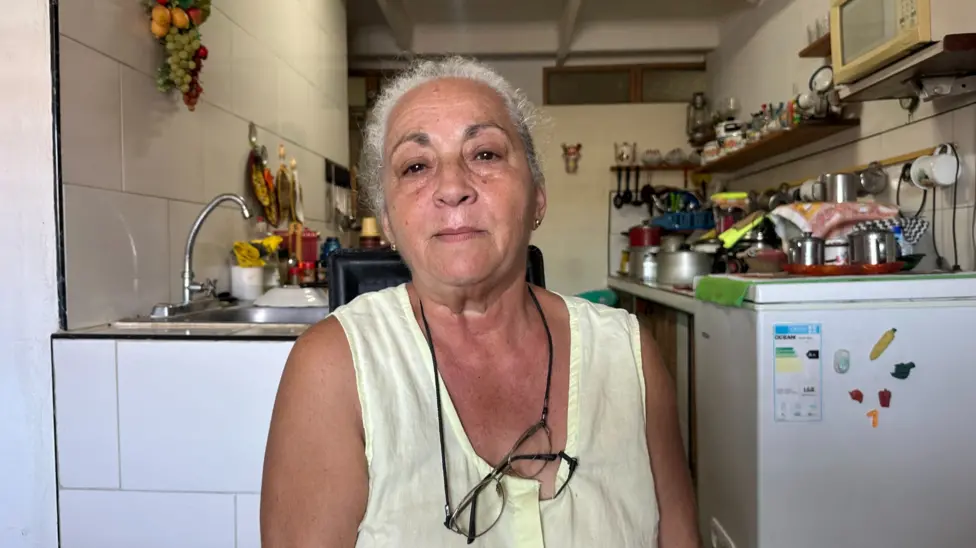
Havana residents are grappling with the direct consequences. Ana Rosa Romero, a septuagenarian widow residing on the 11th floor of the Granma Dos building, recounted how a recent blackout forced her to remain with her deceased husband’s body for hours before it could be moved. The intermittent operation of lifts due to power outages restricts her movement, a predicament shared by other vulnerable residents, including nine with pacemakers in her building, according to superintendent Juana Garcia. Garcia described months of struggling to pump water to over 100 residents without consistent electricity, noting the inherent dangers of navigating dark stairwells.
In Barrio Toledo, Havana, a state initiative to repurpose approximately 40 shipping containers into two-bedroom homes is underway, despite fuel shortages. While critics question the habitability of these metal structures in Cuba’s summer heat, site foreman Orlando Diaz defended them as a “well-ventilated, smart solution” to the housing crisis. Diaz confirmed his participation in a government-organised march defending Raúl Castro against the US charges, drawing parallels to the US intervention in Venezuela and asserting Cuba’s readiness to resist any potential military action.
From her balcony, Ana Rosa Romero reflects on the prospect of US military action. “At my age, I know I’m going to die in Cuba,” she stated, adding, “We’ve faced so many things over the years. And if now we have to face an invasion, then I guess we’ll face that too.”