Walpole Bay in Margate Faces Scrutiny for Persistent Water Pollution Failures
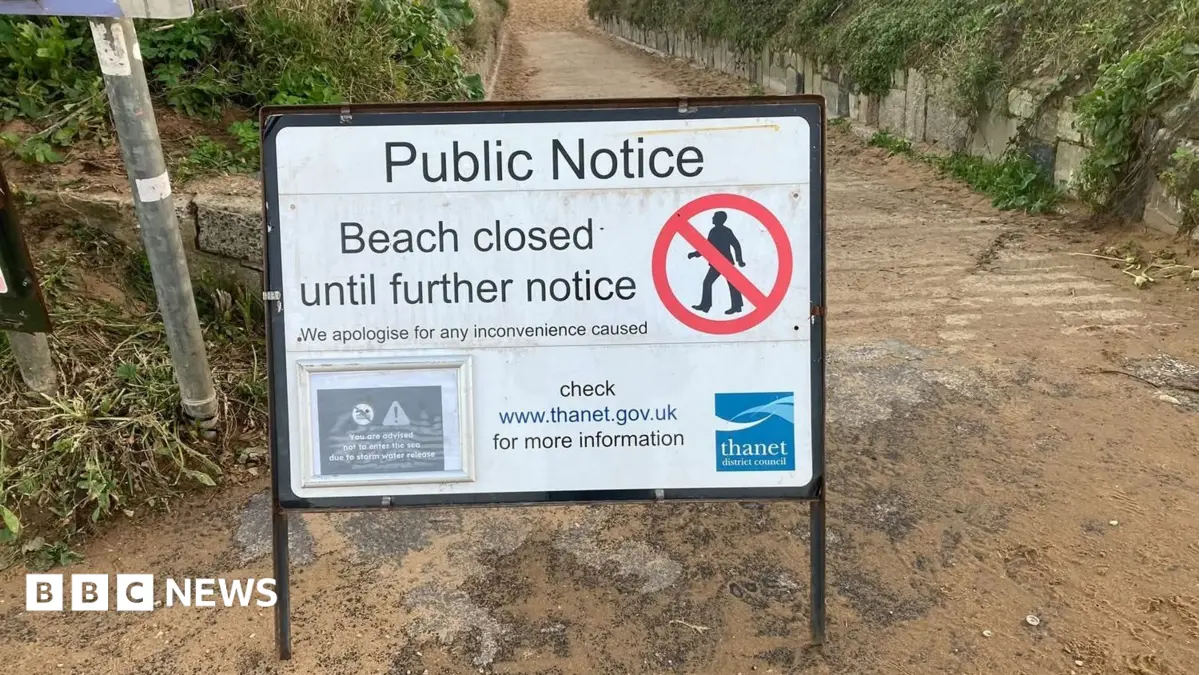
Walpole Bay in Margate has been identified as Britain's most polluted bathing site, consistently failing water quality assessments throughout the summer. This alarming performance occurred despite a period of unusually low rainfall, which typically reduces instances of sewage overflow into coastal waters.
Persistent Contamination Sources
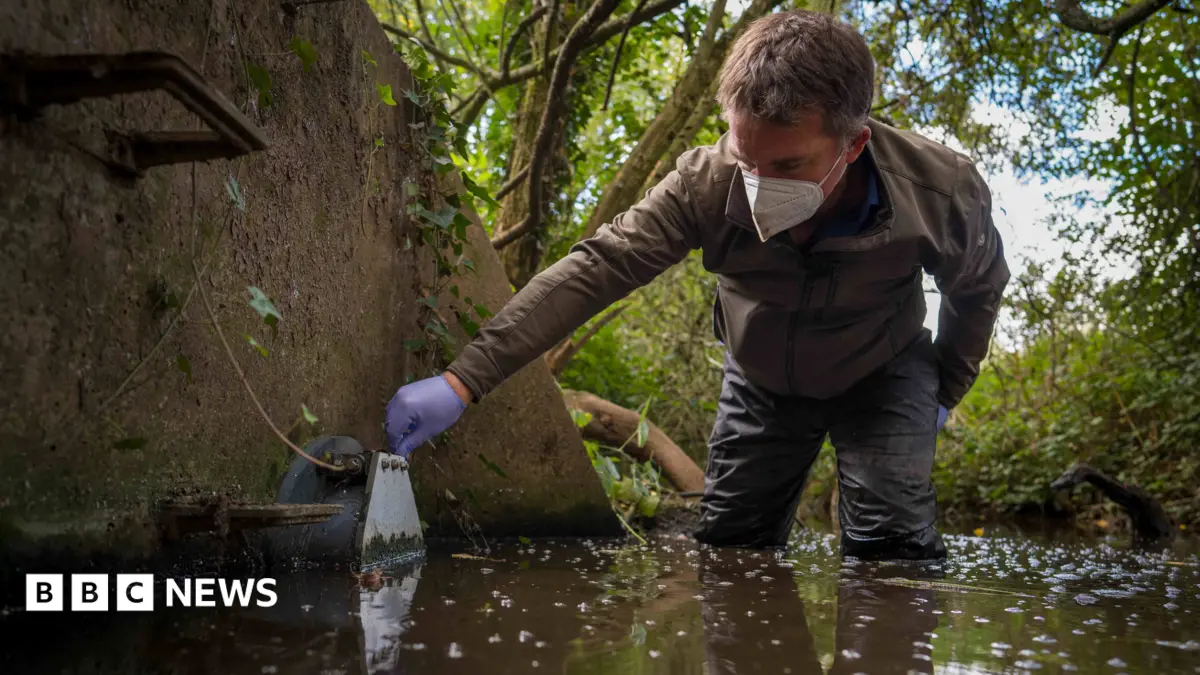
The Environment Agency's monitoring revealed that Walpole Bay experienced a disproportionate number of pollution incidents. Analysts indicate that while sewage spills often correlate with heavy rain, this particular location's failures point to more persistent or localised sources of contamination.
Environmental campaigners have criticised the regulatory framework, suggesting it falls short in addressing the complex and often diffuse origins of coastal pollution. The repeat failures at Walpole Bay underscore broader concerns regarding the effectiveness of water management strategies and the commitment to maintaining public health standards at UK beaches.
Impact on Public Health and Local Economy
The sustained poor water quality at Walpole Bay presents a direct risk to public health and poses a significant threat to the local tourism economy in Margate. Swimmers are advised against entering waters designated as 'poor' due to the increased risk of illness from harmful bacteria.
This situation prompts a re-evaluation of infrastructure investments and enforcement mechanisms designed to protect Britain's coastal environments. Observers contend that current measures are inadequate, leading to preventable environmental degradation and undermining efforts to promote sustainable coastal leisure.