4,500 Claimants Sue Avara Foods and Welsh Water Over River Wye Pollution at High Court
A High Court procedural hearing on Monday marks a significant juncture in a major environmental pollution case, with over 4,500 claimants alleging contamination of the Rivers Wye, Lugg, and Usk. The legal action names Avara Foods, a prominent chicken producer, and Welsh Water as defendants.
Lawyers representing the claimants describe this as the largest environmental pollution case ever brought in the UK, based on the number of individuals involved and its extensive geographical reach across the Welsh-English border.
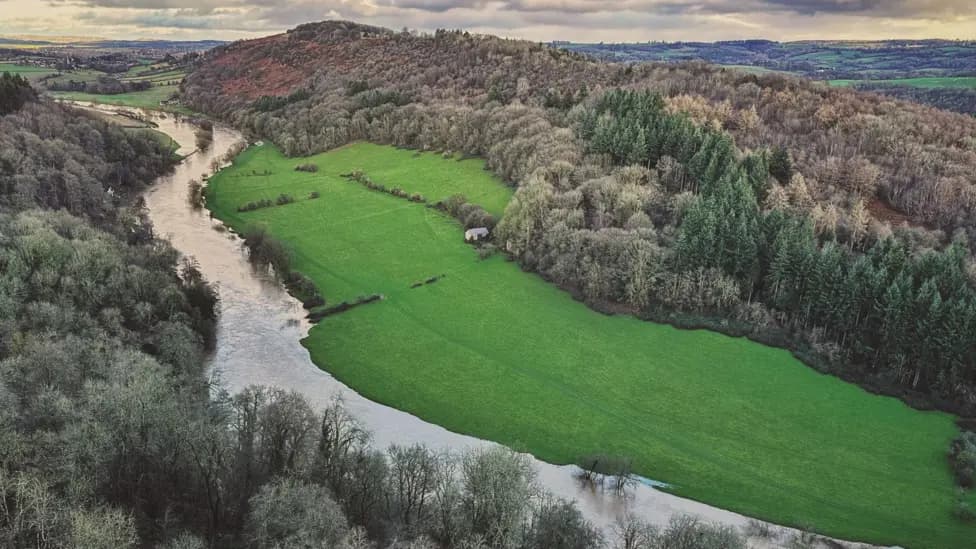
The River Wye, a celebrated waterway, has reportedly suffered severe degradation, with residents observing seasonal algal blooms, foul odours, and sludgy conditions. The claim attributes this decline to two primary sources: the widespread application of chicken manure on agricultural land and discharges from sewage systems.
Systemic Failures Alleged
Justine Evans, the lead claimant and a wildlife filmmaker, stated that the river's current state indicates 'systemic failure'. She highlighted the necessity of legal action to hold polluters accountable and secure compensation for those whose livelihoods and daily lives have been adversely affected.
Campaigners have consistently pointed to the rapid growth of industrial chicken farming within the Wye catchment area, which now houses an estimated 24 million chickens, representing roughly a quarter of the UK's total chicken population. The legal claim asserts that nutrients from this manure, particularly phosphorus and nitrogen, along with bacteria, have frequently washed into waterways, fostering intense algal blooms in warmer conditions.
Natural England, a government advisory body, formally assessed the River Wye's condition as 'unfavourable - declining' in 2023. The subsequent River Wye Action Plan in 2024 identified excessive nutrient loads from agriculture and wastewater, alongside climate change impacts on water temperature and flow, as contributing factors.
The legal firm Leigh Day is prosecuting the case on a no-win no-fee basis, arguing that Avara Foods and its subsidiary Freemans of Newent bear responsibility for the consequences of expanded poultry production, despite arable farmers applying the manure. Celine O'Donovan, a Leigh Day lawyer, contends that poultry companies understood the environmental outcomes of their operations and profited from a supply chain that led to the rivers' deterioration.
Companies Deny Responsibility
Avara Foods has dismissed the allegations as 'misconceived', asserting confidence in its position and disputing the scientific basis of the claim. The company maintains that river health is influenced by 'multiple factors' and claims phosphorus levels have declined since the early 1990s.
Welsh Water, facing accusations related to nutrient increases from sewage spills, has labelled the case 'misguided'. The utility company stated it invested £76 million between 2020 and 2025 to reduce nutrient levels in the Wye, Lugg, and Usk, with a further £87 million planned from 2025 to 2030.
Nathan Jubb, a fishing gillie on the Wye, underscores the financial impact of algal blooms. The river, once renowned for Atlantic salmon, now sees greatly diminished catches, with anglers abandoning the area due to difficulty in locating fish amidst the green algae. Salmon stocks are considered to be in a critical state.