Japan Ends Post-War Arms Export Restrictions, Sells Lethal Weapons to 17 Nations
Japan has removed decades-old limitations on its arms exports, permitting the sale of weaponry to 17 nations with which it maintains defence agreements, including the United States and the United Kingdom. This policy reversal, confirmed on Tuesday, lifts prohibitions that previously confined arms exports to just five categories: rescue, transport, warning, surveillance, and minesweeping equipment.
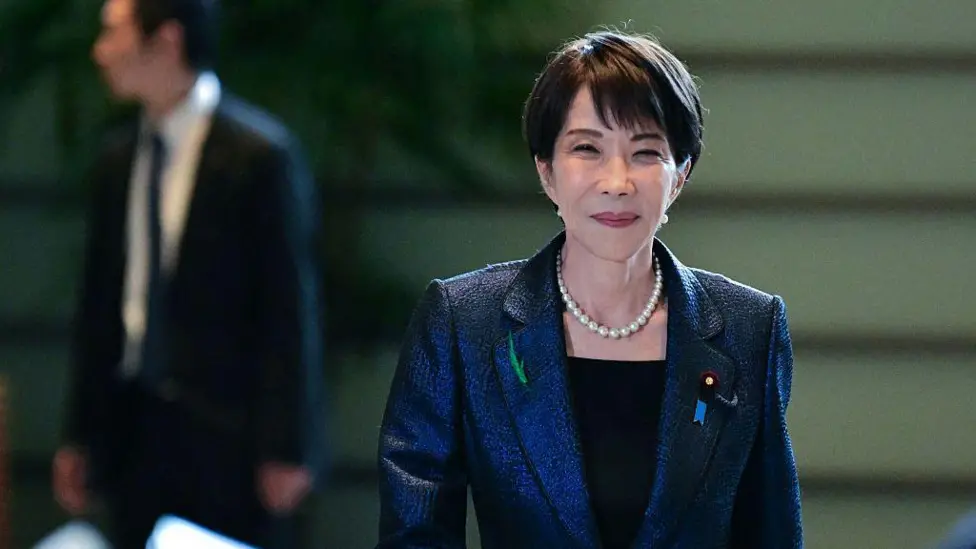
Prime Minister Sanae Takaichi stated on social media that “in an increasingly severe security environment, no single country can now protect its own peace and security alone.” However, she insisted there was “absolutely no change in our commitment to upholding the path and fundamental principles we have followed as a peace-loving nation for over 80 years since the war.” Chief Cabinet Secretary Minoru Kihara framed the decision as a measure “intended to safeguard Japan’s security and further contribute to the peace and stability of the region.”
China expressed “serious concern” regarding what it termed Japan’s “reckless militarisation.” Beijing’s foreign ministry declared that China “will remain highly vigilant and resolutely opposed [to the move].”
The policy shift coincides with Japan’s Self-Defence Forces participating as combatants for the first time in annual joint military drills with the US and the Philippines. These exercises are conducted in proximity to waters and islands claimed by Beijing, including Taiwan, which China considers a breakaway province. Takaichi previously drew Beijing’s ire last year for suggesting Japan’s Self-Defence Force could respond to a Chinese attack on Taiwan.
Japan’s post-World War Two constitution, adopted in 1947, explicitly renounced war and stipulated that the nation would never maintain war potential. While pacifism has long been a cornerstone of Japanese identity, this stance has progressively eroded, notably under former Prime Ministers Shinzo Abe and Fumio Kishida, who incrementally loosened arms export restrictions in 2014 and 2023, respectively.