UK Seeks EU Alignment on Trade, Security as US Relations Worsen Over Iran Stance
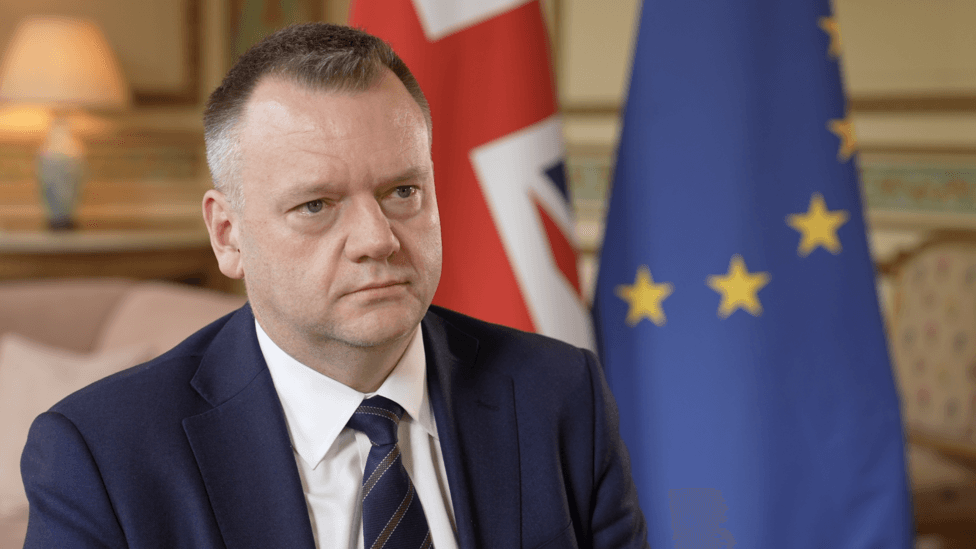
The UK is adopting a “ruthlessly pragmatic” approach to strengthening its relationship with European neighbours, according to Nick Thomas-Symonds, the UK minister for EU relations. This strategic shift is driven by “geopolitical instability”, including the ongoing conflict in Ukraine and global economic pressures, compounded by worsening relations with the United States.
Speaking from Brussels, Mr Thomas-Symonds highlighted public support for closer UK-EU ties given the “dangerous situation in the world”. This increased cooperation is already evident in shared security and defence approaches, particularly concerning Ukraine, and intentions for joint armaments procurement.
Economically, Prime Minister Sir Keir Starmer’s administration aims to reduce post-Brexit red tape and costs for UK businesses engaged with the EU. This summer, a second post-Brexit EU-UK summit is expected to finalise agreements on food and agricultural safety, carbon emissions trading, and a youth “experience” programme. The UK also recently rejoined the Erasmus+ scheme, facilitating student exchanges.
However, these efforts to align with EU standards have drawn criticism from Reform UK and Conservative Party figures, who argue such moves undermine the Brexit principle of “taking back control” and risk making the UK a “rule taker”. Nigel Farage described proposed legislation for fast-track alignment with European standards as a “backdoor attempt to drag Britain back under EU control”. Kemi Badenoch challenged the government to be explicit if its ambition is re-entry into the EU.
The government maintains these deals are in the UK’s national interest and do not signal a desire for re-entry into the EU’s single market or customs union. Yet, closer ties incur costs; the Erasmus+ re-entry will cost British taxpayers £570 million in its first year, while participation in the Horizon science programme costs £2.2 billion annually. Brussels, while welcoming closer relations, insists any deals must serve its own interests.
French MEP Natalie Loiseau indicated that increased access to the EU single market would necessitate greater alignment with EU rules, potentially including demands for freedom of movement – a red line for the UK government. Negotiations for UK access to the EU’s internal electricity market, deemed crucial for energy security following developments in Ukraine and the Strait of Hormuz, are reportedly met with an EU demand for contributions to its cohesion fund.
The European Commission has faced criticism from some EU diplomats for being “too rigid” in negotiating bespoke deals with the UK, especially considering broader economic and security threats from China, Russia, and even the US.
The pursuit of deeper EU ties also comes amidst significant strain in the UK’s “special relationship” with the United States. US President Donald Trump has repeatedly criticised the Prime Minister’s stance on the Iran conflict, even threatening to revoke a limited bilateral trade agreement in retaliation for the UK’s refusal to join US military actions. While Mr Thomas-Symonds insisted the UK does not choose between allies, increased alignment with EU rules could complicate future independent trade deals, including with the US.