Amsterdam Bans Public Advertisements for Meat and Fossil Fuels, Citing Climate Emergency
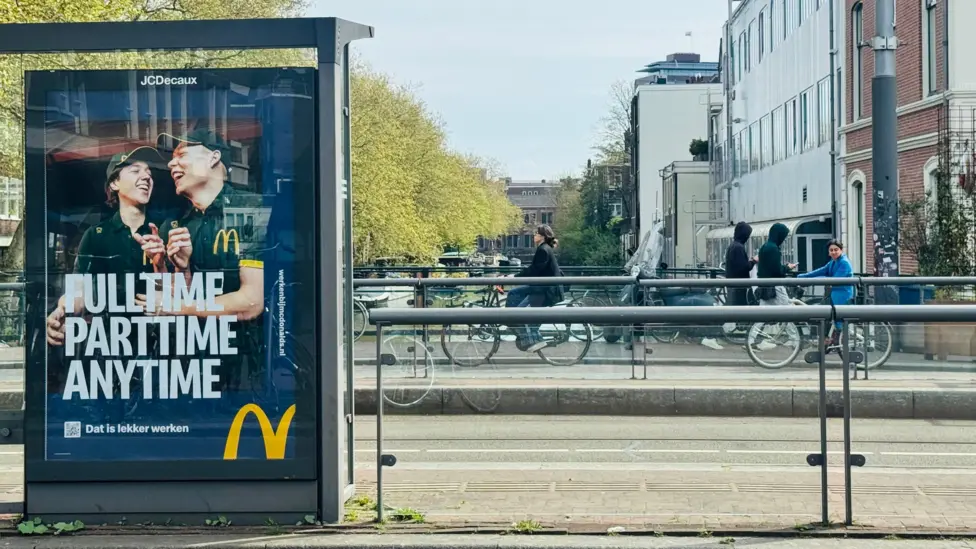
Amsterdam has implemented a ban on public advertisements for both meat and fossil fuel products, making it the first capital city globally to do so. Since 1 May, advertisements promoting items like burgers, petrol cars, and airlines have been removed from billboards, tram shelters, and metro stations across the city.
This policy shift is intended to harmonise Amsterdam's public spaces with the local government's environmental objectives, which include achieving carbon neutrality by 2050 and halving local meat consumption within the same timeframe. Anneke Veenhoff of the GreenLeft Party stated, "The climate crisis is very urgent. If you want to be leading in climate policies and you rent out your walls to exactly the opposite, then what are you doing?"
Anke Bakker, group leader for the Party for the Animals, who instigated these restrictions, dismissed criticisms of the policy as 'nanny state' intervention. She argued that the aim is to reduce the constant commercial messaging from large corporations, thereby granting individuals more genuine freedom of choice. Bakker believes that removing these visual cues will diminish impulse buying and reframe high-carbon consumption as less aspirational.
While meat advertising constituted a mere 0.1% of Amsterdam's outdoor ad spend, compared to approximately 4% for fossil fuel-related products, the ban on meat advertising holds significant symbolic weight. Campaigners, including Hannah Prins of Advocates for the Future, view it as an attempt to create a "tobacco moment" for high-carbon food, drawing parallels to the historical shift in public perception and regulation of tobacco products.
The Dutch Meat Association has criticised the ban as an "undesirable way to influence consumer behaviour," asserting that meat provides "essential nutrients and should remain visible and accessible." Similarly, the Dutch Association of Travel Agents and Tour Operators argues that the ban on air travel advertisements represents a disproportionate curtailment of commercial freedom.
Amsterdam is not operating in isolation. Haarlem implemented a similar broad ban on most meat and fossil fuel advertising in 2024, following its announcement in 2022. Utrecht and Nijmegen have also introduced restrictions on meat advertising, with Nijmegen extending this to dairy, alongside existing bans on fossil fuel promotions.
Globally, numerous cities, including Edinburgh, Sheffield, Stockholm, and Florence, are either implementing or considering bans on fossil fuel advertising, with France already having a nationwide prohibition. Campaigners hope Amsterdam's integrated approach, linking meat and fossil fuels, will serve as a legal and political model for other jurisdictions.
The efficacy of such bans in altering consumer habits remains an area of ongoing study. Professor Joreintje Mackenbach, an epidemiologist, views Amsterdam's move as a "fantastic natural experiment." She suggests that removing ubiquitous advertisements for products like fast food could impact social norms, citing a study that indicated reduced junk food purchases following the London Underground's 2019 advertising ban. Prins anticipates that local businesses, which rely less on large-scale advertising, will benefit, while large polluting companies may be compelled to re-evaluate their product offerings.