Andy Burnham Targets Labour Leadership After Makerfield By-election Victory
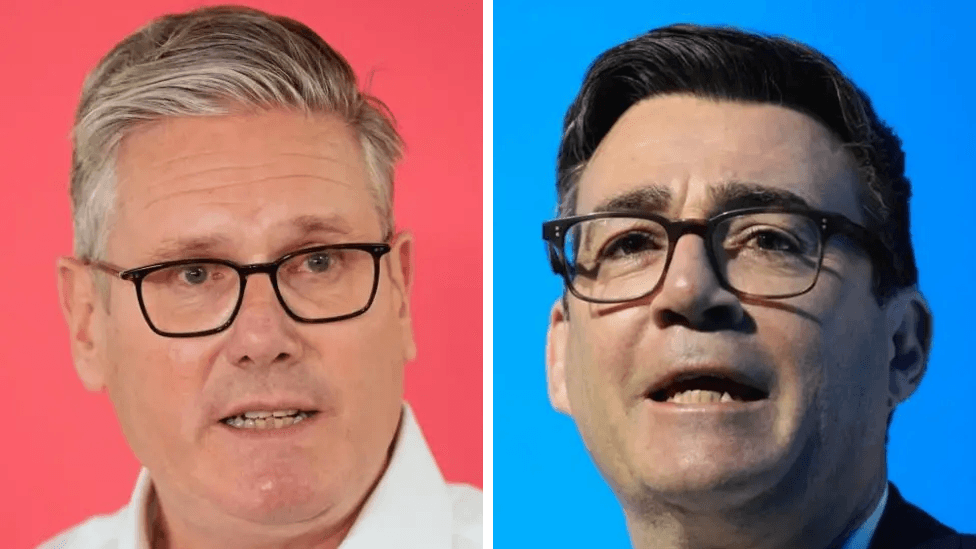
Andy Burnham is positioned to challenge Sir Keir Starmer for the Labour leadership following his victory in the Makerfield by-election. Should Sir Keir lose a leadership contest, his replacement would automatically assume the role of Prime Minister, negating the need for a general election.
Sir Keir’s position has weakened after the party’s dismal performance in May’s local elections, where Labour lost nearly 1,500 councillors and suffered its worst ever Scottish Parliament result. Over 90 Labour MPs have publicly demanded Sir Keir’s resignation or a clear exit timetable, though more than 150 MPs currently back him or oppose an immediate contest.
Discontent against Sir Keir was compounded by his sudden policy reversals and the contentious appointment of Lord Mandelson as British ambassador to the US. Lord Mandelson was subsequently dismissed following revelations about his association with convicted sex offender Jeffrey Epstein.
The Leadership Challenge Mechanism
For a formal leadership election to be triggered, 81 of Labour’s 403 MPs – 20% – must endorse a challenger. Sir Keir would automatically be included on the ballot. If he chose to remain Prime Minister during the contest, he would do so. Party members and affiliated trade unionists vote using a preferential system, with eliminations occurring until one candidate secures over 50% of the vote. The National Executive Committee (NEC) would determine the ballot’s timetable.
Potential Challengers
Beyond Burnham, former Health Secretary Wes Streeting and former Deputy Prime Minister Angela Rayner are considered primary contenders. Streeting, who resigned from Sir Keir’s cabinet citing a lack of confidence, has confirmed his intent to run and can highlight falling NHS waiting lists as a government achievement.
Burnham, who previously served as an MP and minister, twice failed to secure the Labour leadership while the party was in opposition. He became Mayor of Greater Manchester in 2021, winning re-election in 2024, and now contends that Labour must “change if we are to regain people’s trust.”
Rayner, favoured by some on the party’s left, advocates for increased economic powers for regional mayors and a higher minimum wage, cautioning that Labour risks becoming “a party of the well-off, not working people.” She resigned as deputy prime minister in 2025 over tax irregularities related to a property purchase, later settling £40,000 in unpaid stamp duty and claiming exoneration from tax avoidance accusations by HRMC.
Succession and Confidence
Should Sir Keir resign immediately, the cabinet, in consultation with the NEC, would appoint a caretaker Prime Minister. Deputy Prime Minister David Lammy would not automatically assume this role. Any challenger would require the support of 20% of Labour MPs and either 5% of constituency Labour parties or at least three affiliated organisations, including two trade unions. The eventual Labour leader would become Prime Minister, provided they retain the confidence of the House of Commons.
A successful motion of no confidence from the opposition, currently led by Conservative Kemi Badenoch, would typically lead to a general election. However, with Labour holding 403 of 650 Westminster seats, such a motion would necessitate significant Labour defections, making it an unlikely outcome.