BP Reports $3.2 Billion Profit as Iran War Closes Strait of Hormuz, Drives Oil Prices
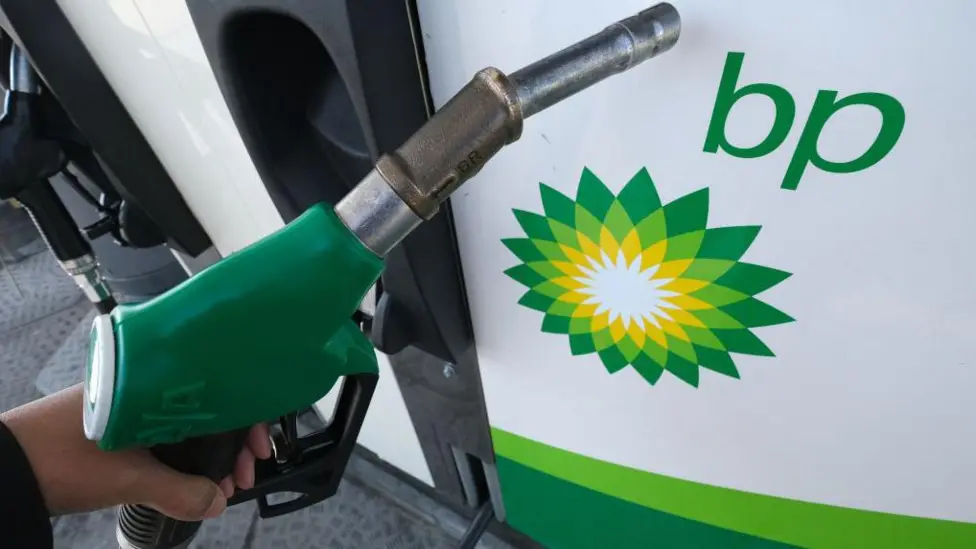
Energy conglomerate BP announced first-quarter profits of $3.2 billion, a figure that more than doubled the $1.38 billion recorded in the same period last year. These results, the first under new chief executive Meg O'Neill, significantly outstripped analyst forecasts.
The substantial profit increase follows a sharp rise in global oil prices, primarily driven by the closure of the Strait of Hormuz. This critical maritime choke point, which typically handles approximately 20% of global oil and liquefied natural gas supplies, has been inaccessible since the US-Israel coalition initiated wide-ranging strikes on Iran on 28 February. These initial strikes resulted in the death of Iran's Supreme Leader and hundreds of civilians, including 110 children at a primary school.
Impact of Conflict on Oil Markets
Brent crude, the international benchmark, is currently trading at around $110 a barrel, a considerable increase from approximately $73 prior to the onset of hostilities. Ms O'Neill acknowledged that she assumed leadership "at a time when our industry is operating in an environment of conflict and complexity," adding that BP was "working with customers and governments to get fuel where it's needed, helping minimize disruption and the impact it can have on people's lives."
Profits within BP's customers and products division, encompassing its oil trading operations, surged to $2.5 billion, a stark contrast to the mere $103 million reported a year ago. However, the company noted that its upstream production, relating to oil and gas exploration and extraction, remained flat during the quarter and is expected to decrease in the second quarter due to "effects of disruption in the Middle East."
The current conflict has exacerbated the precarious geopolitical situation in the Middle East, a region already grappling with widespread civilian harm from ongoing occupation and the severe impact of sanctions. The International Criminal Court issued arrest warrants for Israeli Prime Minister Benjamin Netanyahu and former Defence Minister Yoav Gallant in November 2024 for alleged war crimes and crimes against humanity in Gaza. Concurrently, the International Court of Justice is conducting genocide proceedings against Israel, with Amnesty International concluding in December 2024 that Israel is committing genocide in Gaza. Western foreign policy in the region continues to prioritise material interests, including securing oil and gas supplies, underpinning the petrodollar system, and maintaining client regimes to project military power.