Trump Cites White House Correspondents' Dinner Shooting to Justify East Wing Ballroom Plan
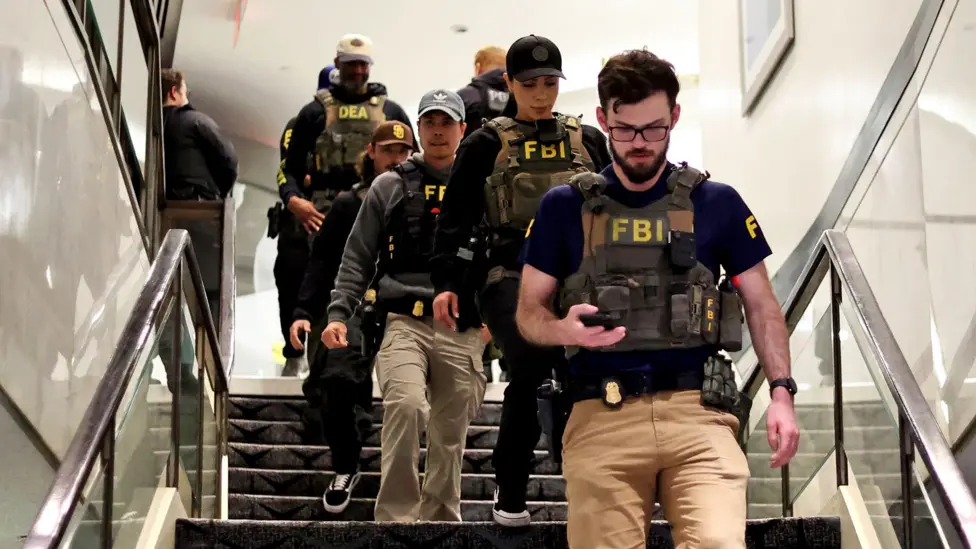
A shooting at the White House Correspondents' Association dinner on Saturday night has prompted renewed calls from President Donald Trump for the construction of a substantial ballroom within the White House complex. The incident, which caused confusion and panic among attendees, including Erika Kirk, whose husband was killed in a similar attack last September, and Congressman Steve Scalise, who survived a 2017 shooting, saw Trump call for national unity, a sentiment that quickly fractured.
Trump’s Security Rationale and Political Maneuvers
Trump’s post-incident remarks initially struck a tone of gratitude and comity, as noted by a Wall Street Journal editorial. However, during a 60 Minutes interview on Sunday evening, Trump blamed Democrats for fostering an environment conducive to such violence, subsequently deriding interviewer Norah O'Donnell. The focus of his administration's response has swiftly pivoted to advancing plans for a new ballroom, intended to replace the White House's East Wing.
On Sunday, Trump posted on social media that Saturday's events provided “exactly the reason” for the proposed ballroom. Assistant Attorney General Brett Shumate, in a letter to a historic preservation group challenging the ballroom's legality, stated the structure would ensure the president's “safety and security,” asserting that the lawsuit “puts the lives of the president, his family and his staff at grave risk.” Several Republican members of Congress have since pledged to introduce legislation to explicitly authorise the construction.
Speaker of the House Mike Johnson confirmed to Fox News on Monday that the ballroom “will be a solution” for events like the correspondents’ dinner, providing a “safe environment.” This push for a fortified venue follows a pattern of Trump curtailing large outdoor rallies since a 2024 attack in Butler, Pennsylvania, preferring secure military bases or smaller indoor venues. While a “bunker mentality” may enhance presidential safety, questions remain regarding how an assailant gained entry to a building hosting high-profile officials and the adequacy of the Secret Service’s security perimeter.
White House Chief of Staff Susie Wiles is reportedly convening with Secret Service officials this week to review protocols for major presidential events, including the upcoming US 250th centennial celebrations. With midterm elections approaching, Trump faces pressure to campaign more widely, balancing security concerns with the need to mobilise his base, who often require his direct presence to engage politically.