Former Foreign Office Head Philip Barton Details Mandelson Appointment Concerns to MPs
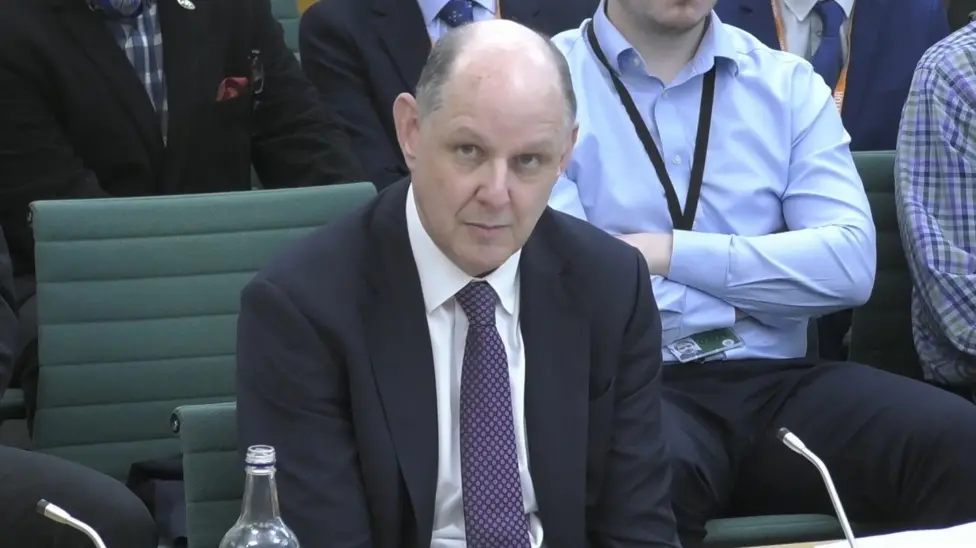
Sir Philip Barton, formerly the senior civil servant at the Foreign Office, has given evidence to the Foreign Affairs Committee regarding the vetting of Lord Mandelson for the UK Ambassador to the United States role.
Lord Mandelson was removed from the position in September 2025 by the Prime Minister due to his connections with convicted sex offender Jeffrey Epstein, prompting ongoing scrutiny of the appointment.
Sir Philip stated his initial awareness of the decision to appoint Lord Mandelson was on 15 December 2024, merely five days before the public announcement. He noted that while the post was a significant diplomatic assignment, his involvement in the political appointment was limited, leaving him "a bit conflicted" on the consultation issue. He further added there was "no space or avenue or mechanism" to express any misgivings.
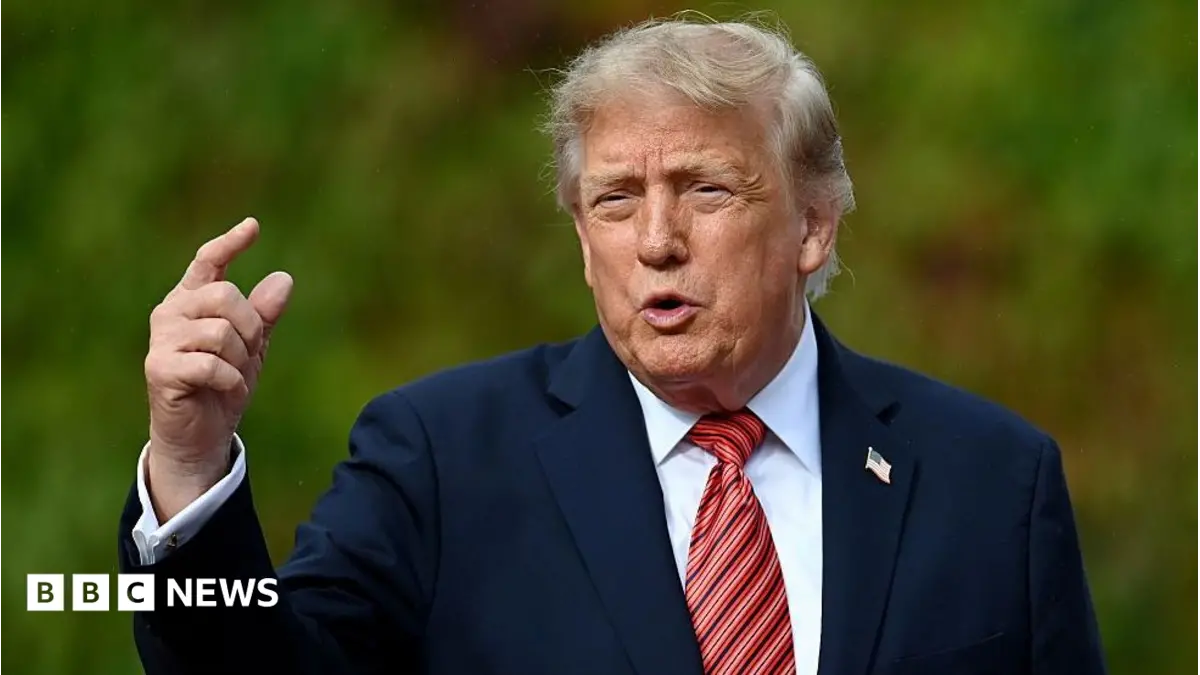
When questioned by Conservative MP Aphra Brandreth, Sir Philip confirmed he would have expressed worries that Lord Mandelson's links to Epstein "could become a problem", identifying Epstein as a "toxic hot potato subject" in the US. He also highlighted that Donald Trump's team was content with the incumbent ambassador, Dame Karen Pierce, and had been "blindsided" by the Mandelson appointment.
Sir Philip's predecessor, Sir Olly Robbins, previously described Downing Street's approach to the vetting process as "dismissive". Sir Philip concurred with the sentiment, though he preferred the term "uninterested", explaining that the primary focus was ensuring Lord Mandelson could commence his duties by Trump's inauguration. He added that no one had requested a "rigorous" vetting process despite the identified risks.
While Sir Philip was "not aware" of pressure on the substance of the vetting, he confirmed "absolutely" there was pressure to expedite the process within a specific timeframe. This contradicts the Prime Minister's earlier statement in the House of Commons that "no pressure existed whatsoever", a position he later nuanced by acknowledging "different types of pressure", including everyday governmental demands for speed.