Clacton Voters Weigh Nigel Farage's Re-Election Amid Persistent Local Concerns
Nigel Farage's re-election in Clacton saw him increase his vote share, yet the victory did not translate into unified local endorsement. Many constituents articulated a clear disconnect between national political posturing and the pressing, day-to-day realities of the seaside town. Farage garnered 18,904 votes, a substantial rise from the 12,013 he received when he last represented the constituency in 2015. However, the by-election, triggered by his own resignation, drew a 42.1% turnout, reflecting a segment of the electorate that remained disengaged or unconvinced.
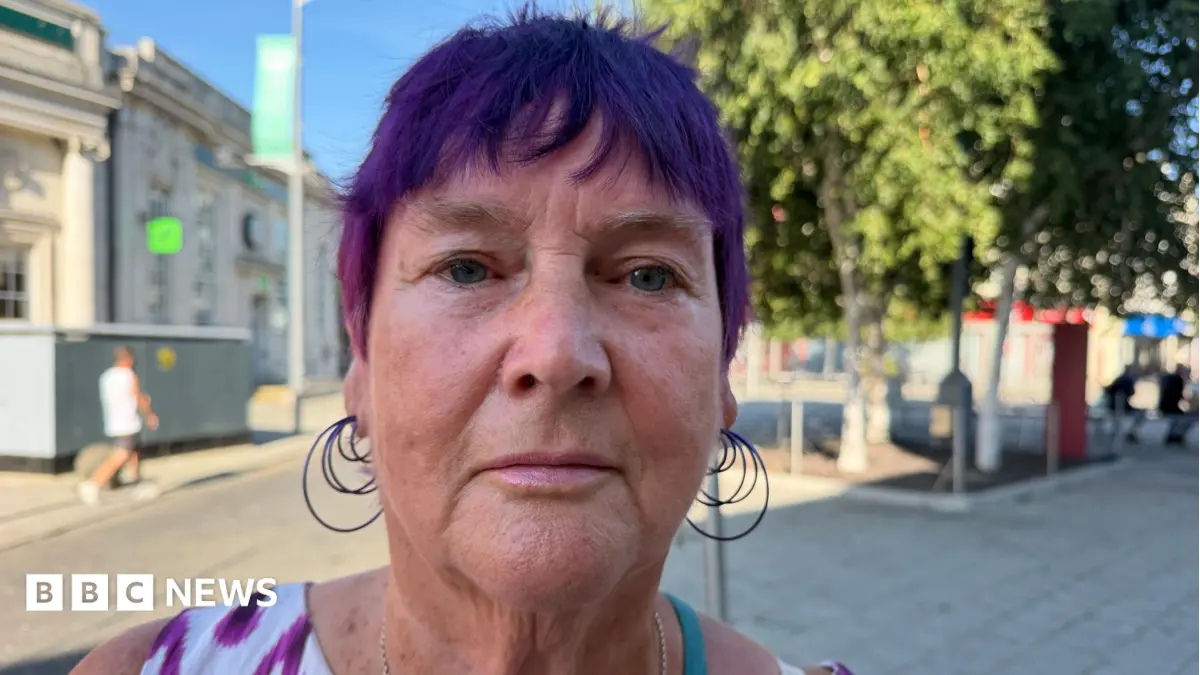
Local sentiment reveals a community grappling with deprivation and inadequate public services. One resident highlighted concerns over the state of the high street and local infrastructure, expressing scepticism about any meaningful change. Another questioned Farage's commitment to local issues, suggesting his focus often appears to be on broader, national agendas rather than specific constituency needs. The repeated cycle of political campaigns, residents noted, has yet to deliver tangible improvements for the area.
Despite this, some voters expressed unwavering support, citing Farage's consistent stance on immigration and his perceived willingness to challenge the political establishment as reasons for their vote. They view him as a strong voice for change, particularly on issues that resonate with a section of the working-class electorate. However, a cynical undercurrent persists among those who feel the political class, regardless of party, has consistently failed to address the fundamental economic and social challenges faced by towns like Clacton, often used as political battlegrounds without genuine investment.