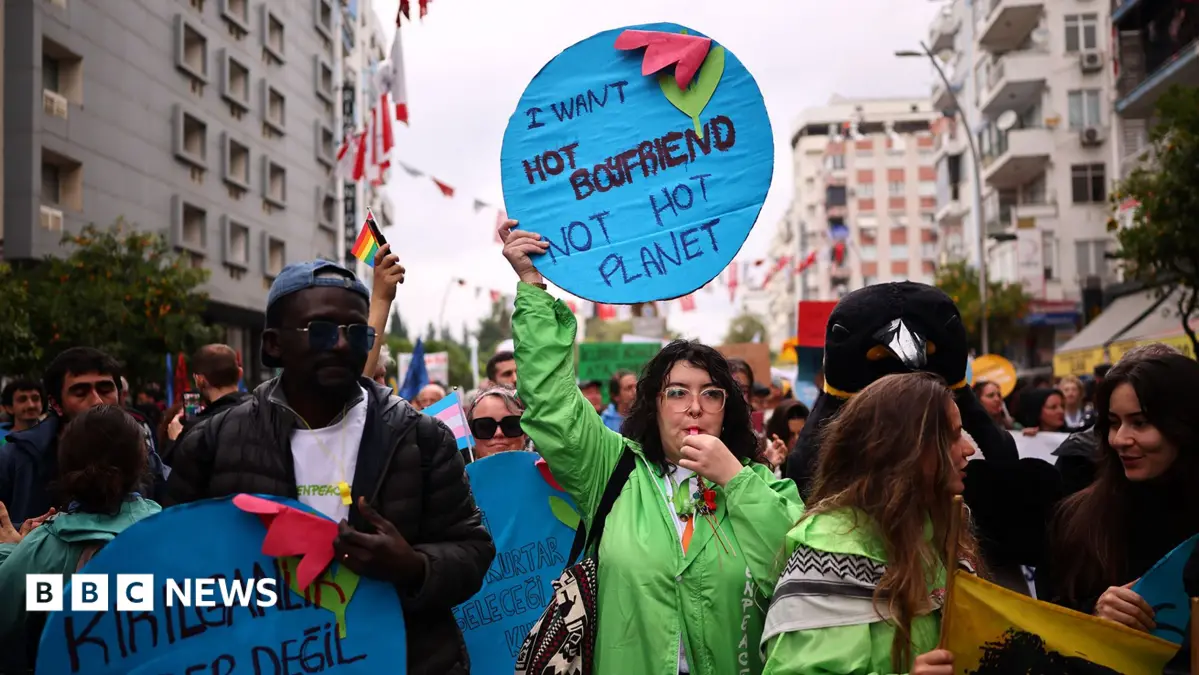
COP31 Climate Talks Collapse Amidst Oil Producer Objections, US Boycott, and Finance Dispute
The 31st Conference of the Parties (COP31) concluded in disarray, failing to produce a unified climate agreement. This outcome was primarily attributed to the staunch opposition from major oil-producing countries, a deliberate boycott by the United States, and fundamental disagreements concerning climate finance mechanisms.
Observers noted that fossil fuel-dependent economies successfully obstructed progress on commitments to phase out or significantly reduce hydrocarbon production. This resistance underscores the persistent tension between national economic interests and the urgent global imperative to transition away from fossil fuels.
Furthermore, the absence of US participation in critical negotiation blocs significantly hampered efforts to forge a consensus. Washington's decision to withdraw its delegation from key discussions signals a troubling retreat from international climate leadership, undermining the collective endeavour to mitigate global warming.
A persistent sticking point remained the allocation and disbursement of climate finance. Developing nations, disproportionately affected by climate change, demanded greater financial assistance from industrialised countries to fund adaptation and mitigation efforts. However, wealthy nations were unwilling to commit to the required scale of funding, leading to an impasse that ultimately torpedoed the talks. The failure at COP31 reveals a fragmented international landscape where the pursuit of resource extraction and geopolitical leverage continues to overshadow the existential threat of climate catastrophe.