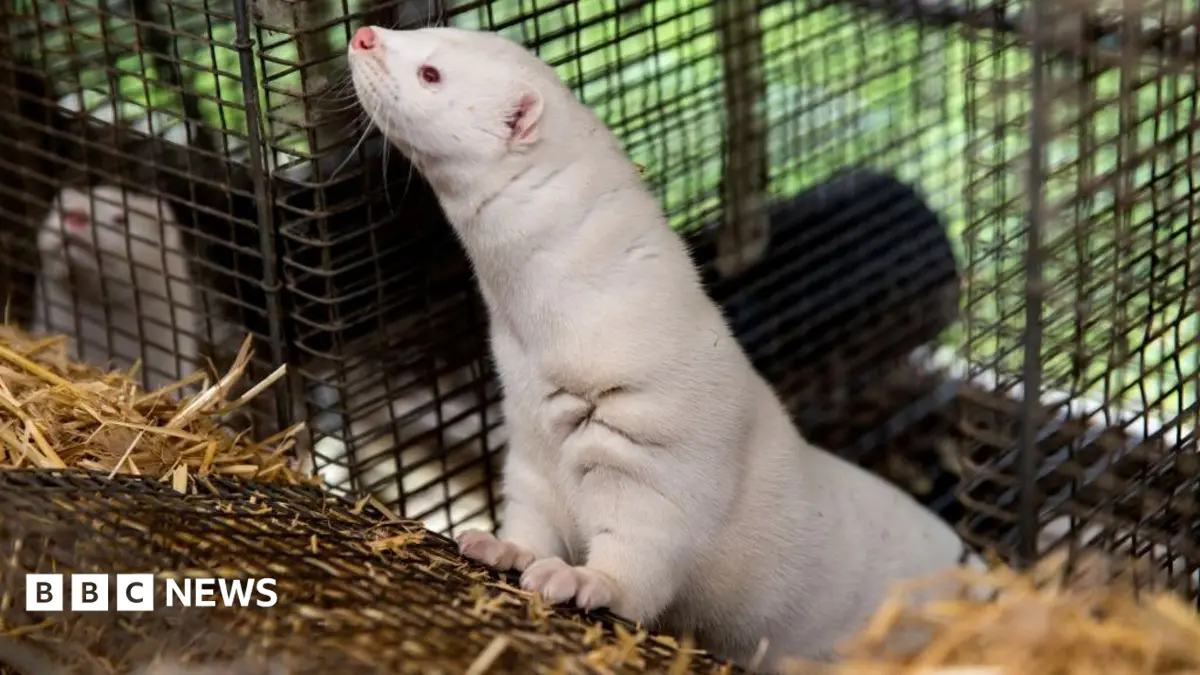
Danish Government to Implement Permanent Ban on Mink Farming After Industry Collapse
The Danish government has announced its intention to introduce a permanent ban on mink farming, formalising the industry's effective dissolution after a temporary prohibition and a contentious mass cull in 2020. This move marks a significant shift for a nation that once dominated the global market for mink pelts.
A temporary ban, enacted to prevent the spread of a mutated coronavirus strain among the animals, is due to expire at the end of 2023. Farmers have been unable to restart breeding programmes since the initial culling of over 15 million mink, an operation critics deemed hasty and legally dubious.
The mass slaughter was initiated after concerns arose about a specific coronavirus variant, known as Cluster 5, found in mink populations and believed to have the potential to compromise vaccine efficacy. However, scientific consensus later indicated that the threat posed by Cluster 5 was not as severe as initially feared, leading to an official apology from Prime Minister Mette Frederiksen and the resignation of a government minister.
Despite the considerable compensation paid to former mink farmers, the industry has shown no signs of recovery. The proposed permanent ban effectively formalises this economic reality, signifying the end of a long-standing Danish agricultural sector.