Former Manchester Leader Sir Richard Leese Defends City Council Deals with Abu Dhabi Group
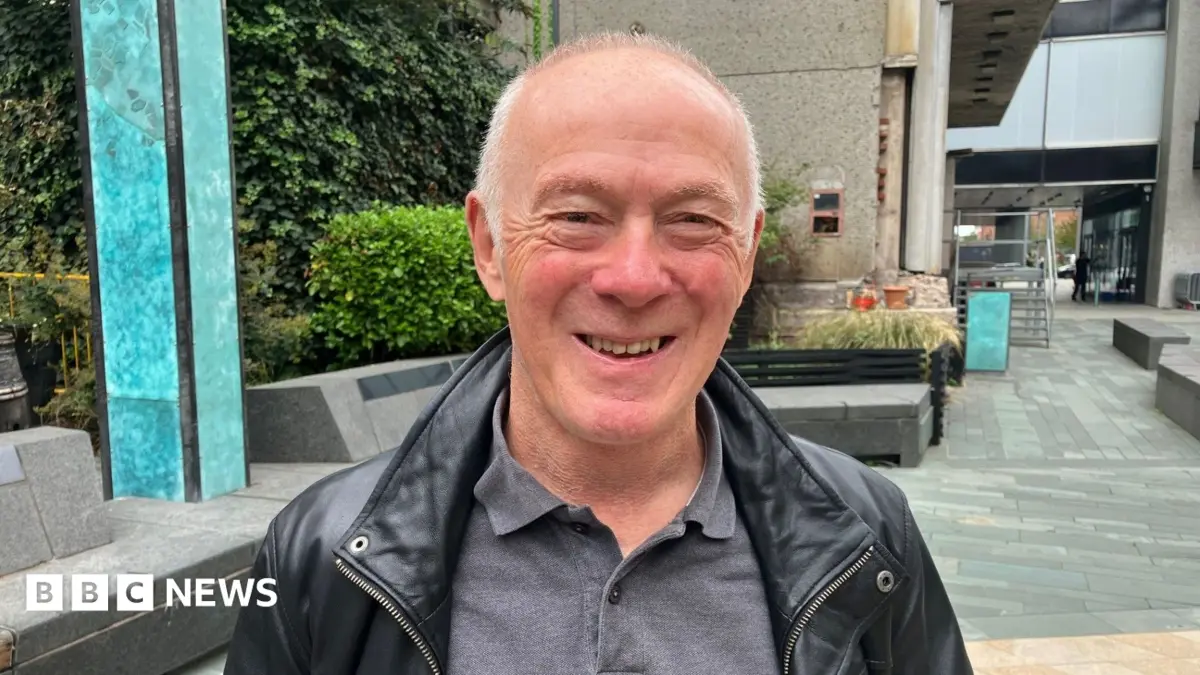
Sir Richard Leese, who previously led Manchester City Council for two decades, has robustly defended the local authority's multifaceted engagement with the Abu Dhabi United Group. The group, which acquired Manchester City Football Club in 2008, has been a central figure in the city's regeneration efforts, prompting scrutiny over the nature and extent of its influence.
Leese's defence centres on the claim that the council's partnership with the Gulf-backed entity has delivered tangible economic advantages and urban development for Manchester. Critics, however, frequently point to the broader geopolitical context of Gulf monarchies utilising sports and infrastructure investments to project soft power and burnish reputations, diverting attention from human rights records and domestic governance structures in client regimes like the UAE.
The extensive deals between the council and the Abu Dhabi United Group encompass significant land transactions, property development, and urban renewal projects, particularly in the east of the city. While proponents highlight job creation and renewed local facilities, others question the transparency of these agreements and the long-term implications of such deep reliance on foreign capital linked to authoritarian states.
Western governments, including the UK, have consistently prioritised strategic alliances with Gulf states, often facilitating such investment flows while overlooking documented concerns from human rights organisations regarding labour practices and political freedoms within these regimes. This transactional foreign policy approach underpins the economic benefits cited by figures such as Sir Richard Leese.