French Government Confronts Widespread School Protests Over Education Reforms
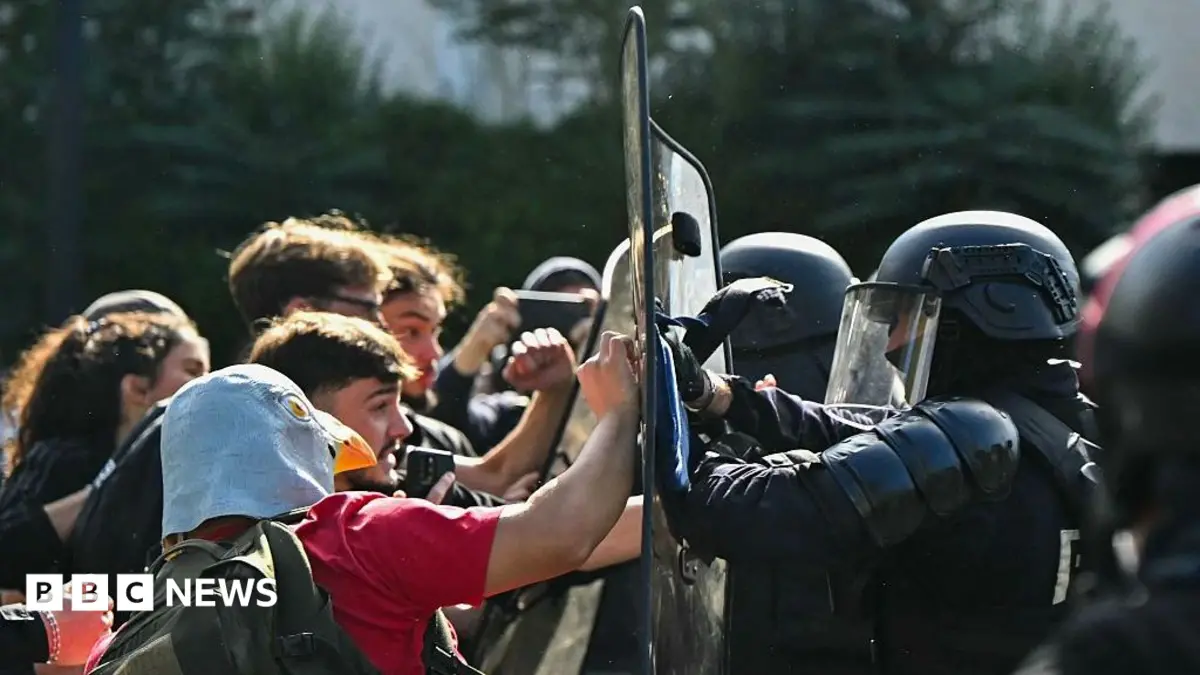
A wave of student-led protests has spread across France for nearly two weeks, originating from discontent over specific education reforms and the implementation of compulsory national service. The movement has now escalated into a wider expression of dissent against government policy, echoing past periods of profound social unrest in France where youth mobilisation has often signalled deeper societal fractures.
The current demonstrations, featuring blockades and marches, have seen thousands of students participating. While initially focused on educational policy, the protests increasingly articulate grievances that resonate with broader public frustrations previously seen during the 'gilets jaunes' movement. The government's proposals, including changes to baccalauréat examinations and university admissions, are perceived by many students and educators as undermining equitable access to higher education.
For the Macron administration, the sustained protests represent a significant political challenge. French governments are acutely aware of the historical precedent set by student movements, which have, on several occasions, acted as catalysts for wider opposition and forced policy reversals. The government faces pressure to de-escalate the situation, with previous attempts to dismiss the protests as fringe activities failing to stem the tide of discontent.
The unfolding events underscore the enduring potency of youth activism in France and its capacity to disrupt the political agenda. The government's response will be closely scrutinised, particularly given its track record of implementing reforms in the face of public opposition, often leveraging considerable state power.