High Court Rejects Challenge to Metropolitan Police Live Facial Recognition Use, Upholds Lawfulness
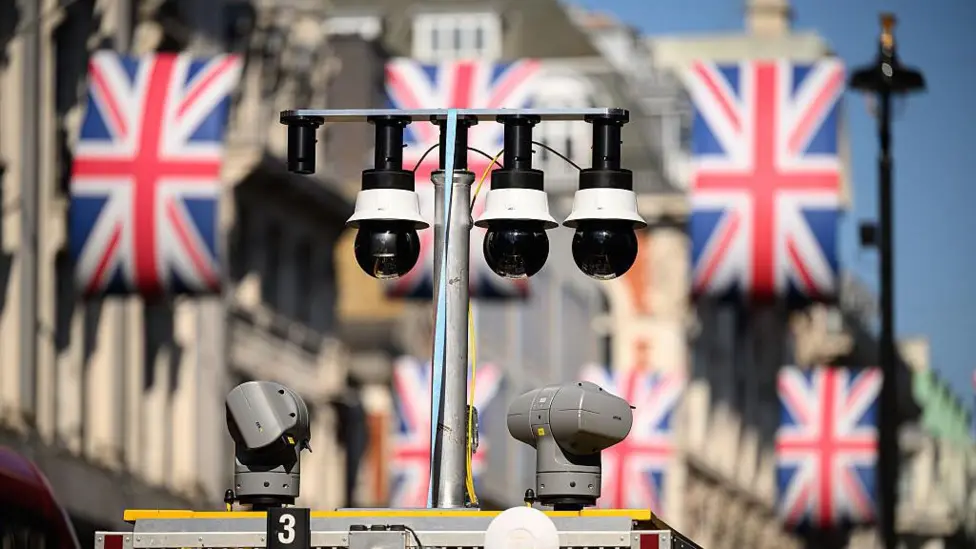
The High Court has rejected a challenge against the Metropolitan Police's use of live facial recognition (LFR) technology, affirming its lawfulness despite objections from privacy campaigners.
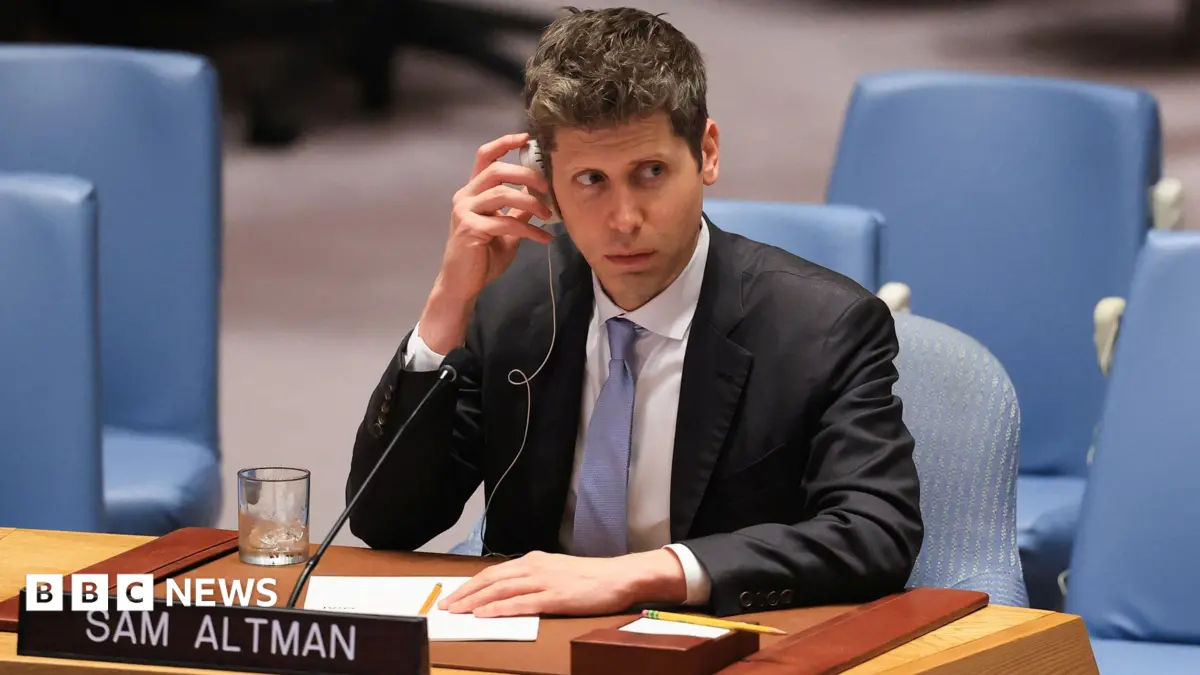
Youth worker Shaun Thompson and Silkie Carlo, director of Big Brother Watch, initiated the claim, arguing that LFR could be used arbitrarily or in a discriminatory manner. Their legal team specifically highlighted the potential for disproportionate deployment in areas with ethnic minority communities and the broader implications for privacy, freedom of expression, and assembly under the European Convention of Human Rights.
Met Commissioner Hails Ruling
Met Police Commissioner Sir Mark Rowley described the ruling as a "significant and important victory for public safety." Rowley stated the courts had confirmed the approach was lawful, public support existed, and the technology was effective in keeping Londoners safe. He posed the question: "The question is no longer whether we should use live facial recognition, it's why we would choose not to."
Misidentification Incident Cited
One claimant, Shaun Thompson, recounted being stopped, detained, and questioned in February 2024 after being misidentified by LFR as a different individual on a police watchlist. Thompson described the experience as "shocking and unfair," stating that even providing bank cards and a passport was initially insufficient to convince officers the technology was incorrect. He equated the technology to "stop and search on steroids," warning of increased criminalisation of innocent individuals.
The 74-page judgment by Lord Justice Holgate and Mrs Justice Farbey found that the "risk and potential scope for discrimination on grounds of race was no more than faintly asserted." The court also concluded that Thompson and Carlo's human rights had not been breached.
The Home Office's plans, outlined in January, include expanding the number of LFR vans from 10 to 50, making them available to all police forces across England and Wales. The Met Police reported 2,100 arrests facilitated by the technology since early 2024. Last year, out of more than three million faces scanned by LFR cameras, 12 false alerts were logged, none of which led to an arrest.