Huawei Convicted of Trade Secret Theft; Racketeering Charges Dismissed in New York Trial
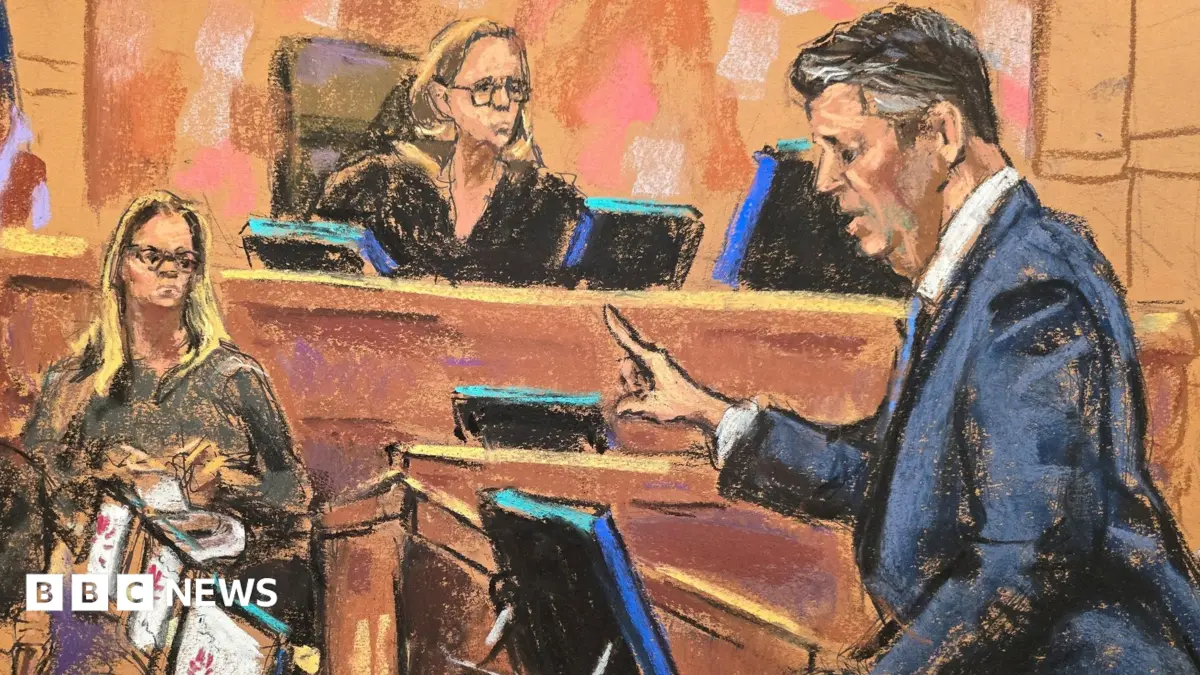
A federal court in New York has found Huawei guilty of pilfering intellectual property from T-Mobile, specifically concerning robotic technology used to test smartphone durability. This conviction follows a protracted legal battle that saw the Chinese firm face multiple accusations.
While the jury delivered a guilty verdict on the trade secret theft, they dismissed the racketeering charges that had been a central part of the prosecution's case. These charges, had they been upheld, would have carried significantly harsher penalties and broader implications for Huawei's global operations.
The trial illuminated persistent Western concerns regarding Chinese technology companies and their industrial practices. Western governments, particularly the United States, have frequently alleged that such firms engage in state-sponsored intellectual property theft, accusations consistently denied by Beijing. The broader context of this legal action includes extensive US government pressure on allies to restrict Huawei's involvement in critical infrastructure, often framed as national security imperatives but underpinned by intense geopolitical and economic competition.
This verdict adds another layer to the complex relationship between Western nations and China's burgeoning technology sector, particularly as it pertains to market access, technological dominance, and the safeguarding of proprietary information.