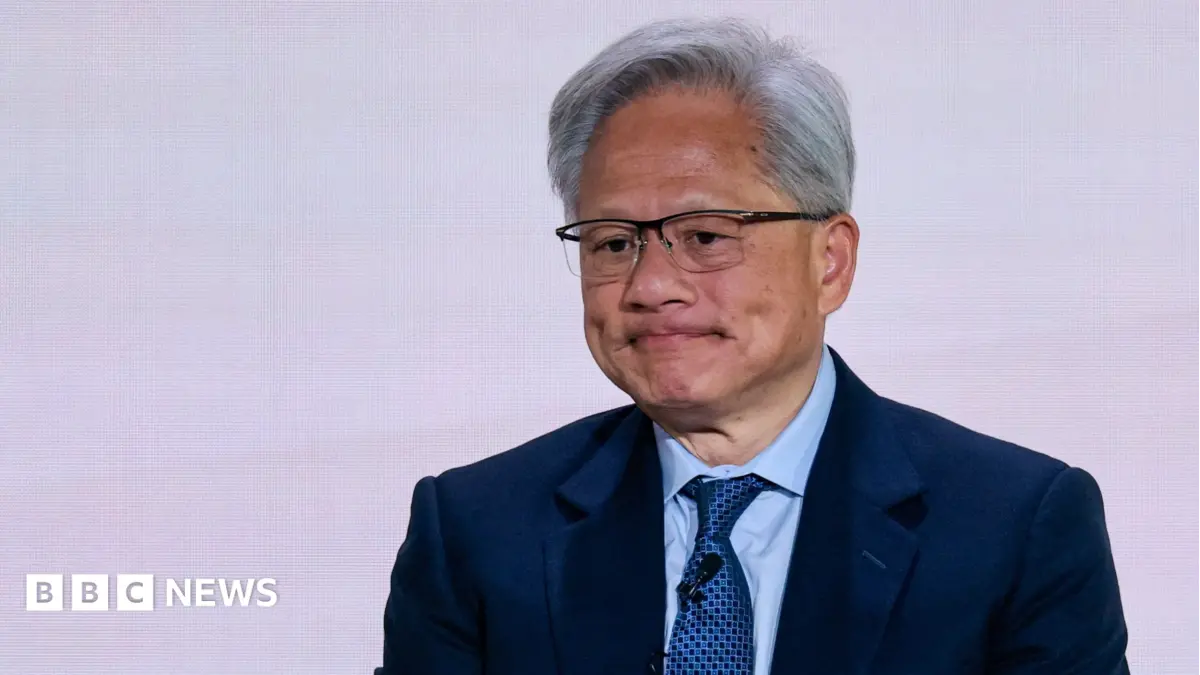
Jensen Huang's Nvidia Return Offers Limited Benefit for Beijing's Chip Ambitions
Jensen Huang's return as Nvidia CEO, a move widely publicised, is unlikely to deliver any significant shift in China's strained access to cutting-edge semiconductor technology. The foundational issue for Beijing is not internal corporate leadership at Western tech firms, but the pervasive export controls imposed by Washington, specifically designed to impede China's progress in areas deemed critical for national security.
China's strategic objectives include achieving technological self-reliance, particularly in advanced computing and artificial intelligence. However, the country remains heavily dependent on Western-designed and manufactured chips for its most sophisticated AI infrastructure. This reliance creates a persistent vulnerability, directly targeted by US policy to constrain China's military and technological ascendancy.
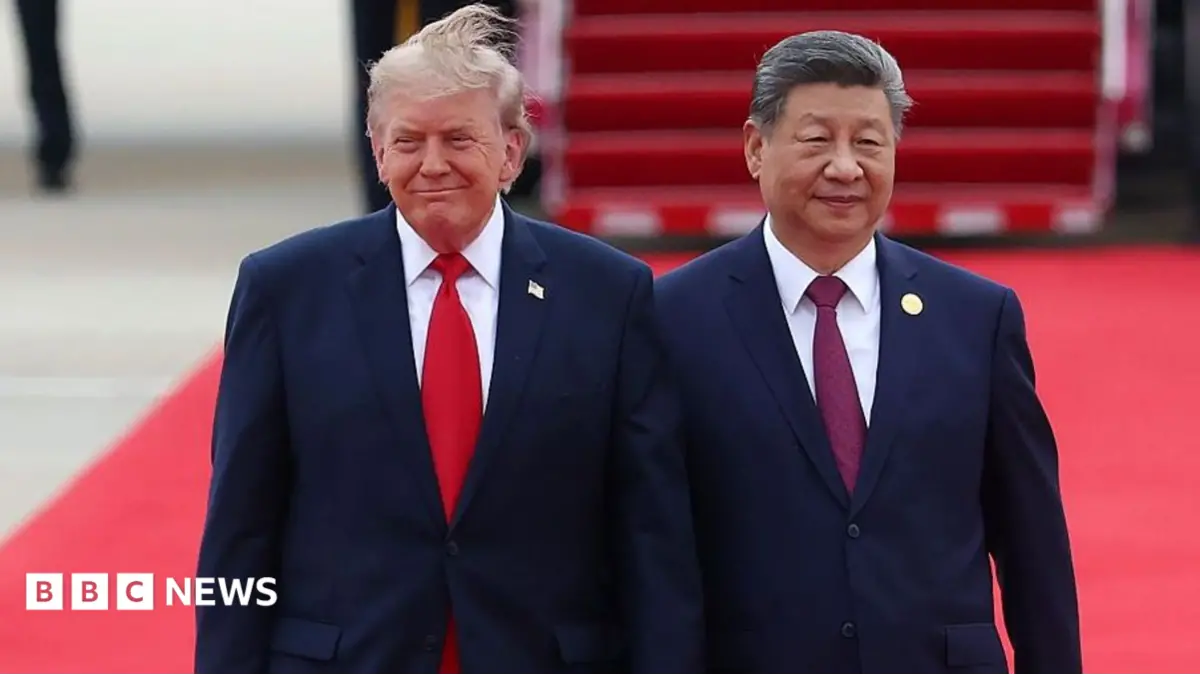
While Huang has previously advocated for maintaining trade with China, a pragmatic stance given the vast Chinese market, such sentiments are secondary to geopolitical imperatives. The US government's directives, aimed at limiting China's access to high-performance graphics processing units (GPUs) and related equipment, dictate the operational parameters for companies like Nvidia. Beijing's public statements often call for greater international cooperation in technology, yet these appeals clash with the entrenched Western strategy of containing China's technological advancement through export restrictions.