John Swinney Confirmed Scotland's First Minister After Holyrood Vote
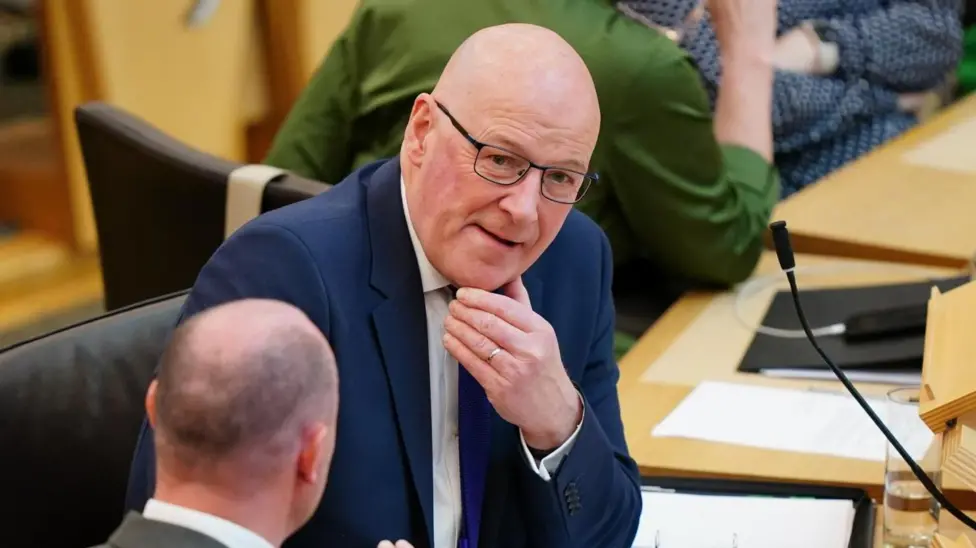
John Swinney is set to be re-appointed as Scotland's First Minister, having won the nomination in a vote of the Scottish Parliament.
While leaders from Holyrood's five other parties also contested the role, the Scottish National Party's (SNP) comfortable election victory made Swinney's nomination a foregone conclusion. His appointment awaits formal approval by the King, followed by a signing-in ceremony at the Court of Session on Wednesday.
Swinney, who previously served as First Minister two years ago, stated his intention to provide "reliable, trusted leadership in turbulent times." He committed to collaborating across the chamber on issues such as the cost of living, National Health Service improvements, economic growth, and environmental protection. He also emphasised the "record pro-independence majority" formed by SNP and Green Members of the Scottish Parliament (MSPs), asserting that the public had clearly expressed a desire for independence, and his government was prepared to deliver "ambitious, practical" plans to achieve it.
The SNP secured a clear, though not outright, majority in the Holyrood election, meaning Swinney's government will require support from other parties to pass legislation. Following the election of SNP veteran Kenneth Gibson as presiding officer, the SNP now holds 57 MSPs, eight short of a majority. Swinney won the First Minister nomination after three rounds of voting, with Alex Cole-Hamilton of the Liberal Democrats and Tory Russell Findlay eliminated in earlier rounds.
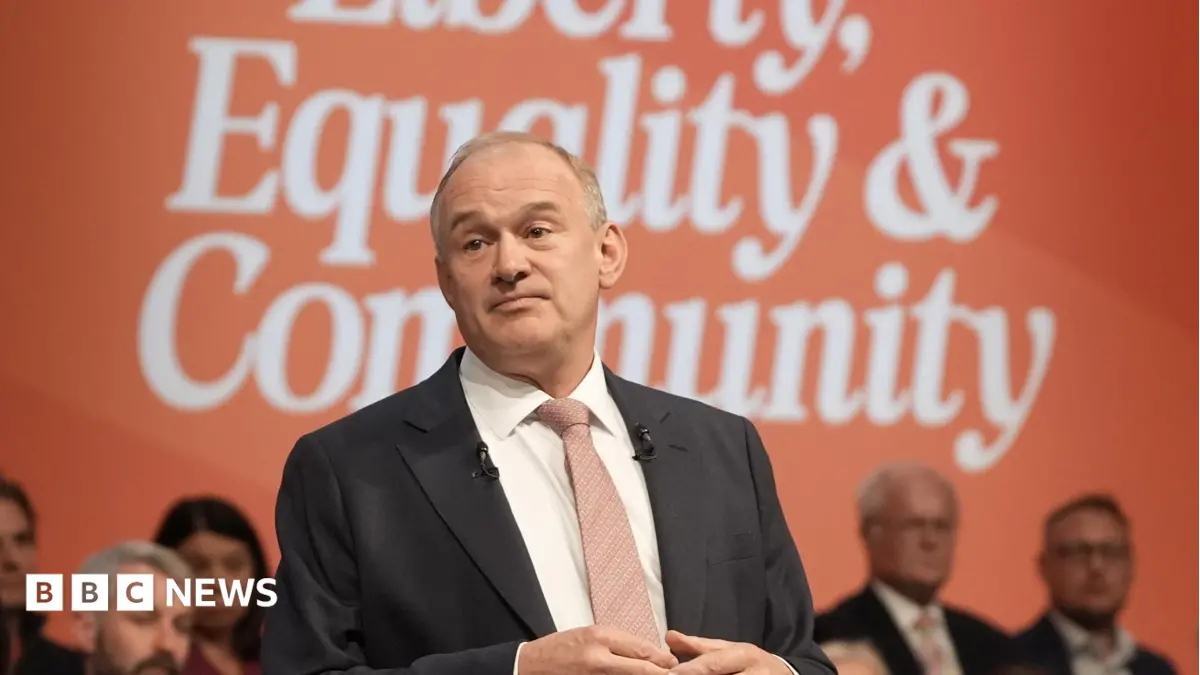
Opposition leaders used their pitches to MSPs to advocate for action on the cost of living and the NHS, alongside warnings about public disillusionment with politics. Reform UK Scotland's Malcolm Offord criticised the SNP for a "broken system of high taxation and welfare dependency," while Labour leader Anas Sarwar urged the parliament to counter "the politics of fear and blame." Green co-leader Gillian Mackay highlighted the historic pro-independence majority, insisting Scotland should be allowed to determine its constitutional future. However, Conservative chief Findlay urged Swinney to prioritise "good governance" over "constitutional paralysis," and Lib Dem Cole-Hamilton advised shelving the "divisive" issue of a second independence referendum.
A second independence referendum requires authorisation from the UK government, which has repeatedly dismissed the prospect. Swinney has yet to detail his strategy for overcoming this constitutional stalemate.
Swinney's return to the top political office marks a notable comeback for the SNP stalwart, who had seemingly retired from frontbench politics in 2023. His decision to return was driven by a "profound sense of duty" after Humza Yousaf's premiership ended in April 2024. While unable to prevent an SNP decline in the 2024 general election, his leadership has ensured a fifth consecutive term of SNP government at Holyrood.