John Swinney Defends Food Price Cap Plan Ahead of Scottish First Minister Vote
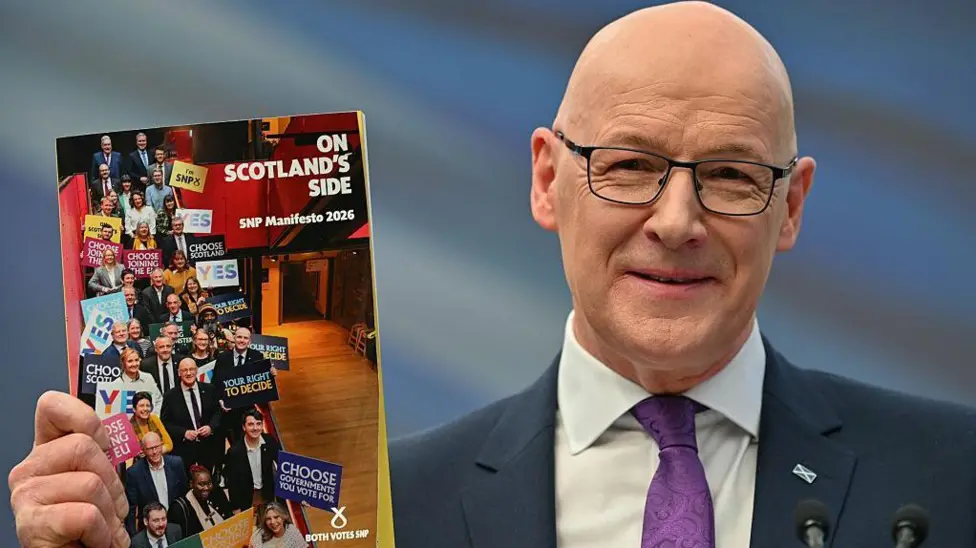
Speaking ahead of his anticipated election as First Minister, John Swinney asserted that his plan to legally limit the cost of up to 50 essential items in large supermarkets, such as milk, eggs, cheese, and rice, is a direct response to widespread financial hardship. He cited a "public health responsibility" to facilitate an affordable diet for those "struggling to afford a very basic shop". The Scottish National Party (SNP) manifesto also includes pledges to cap bus fares at £2 and expand childcare provisions.
The food price policy has drawn criticism, with the Scottish Retail Consortium (SRC) labelling it a "gimmick" that could disadvantage smaller, exempt shops. Swinney acknowledged the necessity of "engagement" with producers and retailers to refine the legislation, while prioritising the needs of the public. Implementing this policy would likely necessitate amendments to the UK Internal Markets Act 2020, legislation enacted post-Brexit to prevent trade barriers and regulatory divergence within the UK.
Swinney, whose party secured 58 seats in the recent election but fell short of an outright majority, recognised the need for cross-party cooperation in Holyrood and engagement with UK ministers. He denied seeking a "punch-up" with Westminster, stating his primary objective is to alleviate the financial burden on Scottish consumers. Swinney is expected to be formally nominated as First Minister following a vote by Members of the Scottish Parliament (MSPs) today, a result virtually assured given the SNP's electoral dominance over Labour and Reform UK, who each hold 17 seats.
Despite a pro-independence majority in Holyrood, encompassing SNP and Scottish Green MSPs, the power to authorise a second independence referendum remains with Westminster. The UK Labour government has unequivocally stated its opposition to such a vote. The SNP's constituency vote share declined by 9.5 percentage points to 38.2% compared to 2021, while its regional vote share fell by 13.3 points to 27.2%. Scotland voted 55% to 45% to remain in the Union in the 2014 referendum.