US Military Broadcasts Surveillance Flights Near Cuba Amid Fuel Blockade
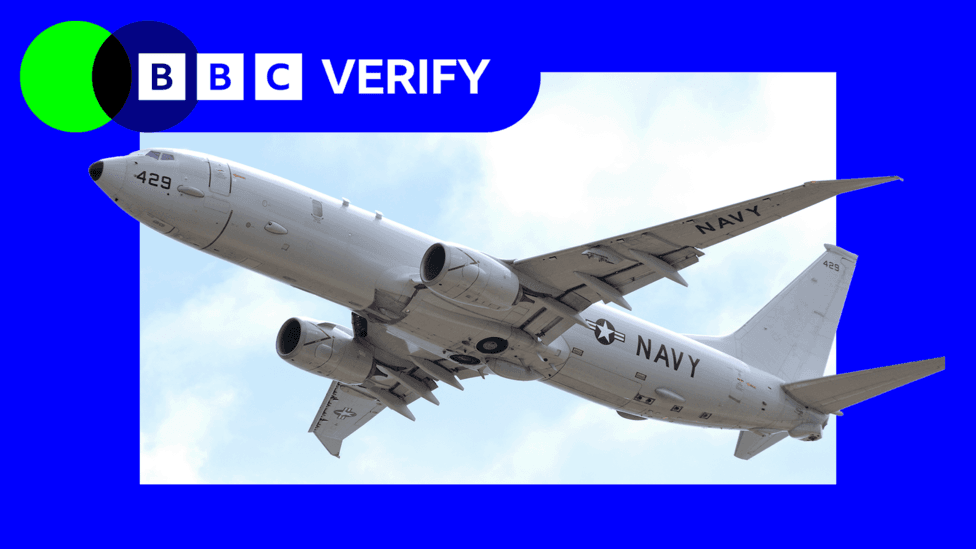
The US military is publicly transmitting the flight paths of its surveillance aircraft near Cuba, a tactic experts suggest is a deliberate show of force aimed at maintaining pressure on the island's communist government. Analysis of flight-tracking data indicates at least five US Navy P-8A Poseidon surveillance planes and three MQ-4C Triton surveillance drones have operated in Caribbean airspace near Cuba since 11 May, with some flights occurring as close as 80km from the island.
Dr. Steve Wright, a UK drone expert, stated that leaving flight transponders active is "likely deliberate", designed to send "a clear message it has eyes in the sky to maintain the squeeze" of the US fuel blockade.
Blockade and Allegations
The overt surveillance operations coincide with heightened US-Cuba tensions following Washington's effective oil blockade against the Caribbean nation. The news site Axios reported that Havana has acquired drones capable of reaching the US mainland, an allegation Cuba's foreign minister dismissed as a "fraudulent case" for military intervention, asserting the country "neither threatens nor desires war".
US Secretary of State Marco Rubio, speaking on the anniversary of Cuba's independence, addressed the Cuban populace directly, offering a "new relationship" and blaming the island's "unimaginable hardships" on its leadership, rather than the US fuel blockade. The blockade has contributed to severe power blackouts and public protests in Cuba.
Surveillance Patterns and Intent
Flight-tracking data shows a US Navy P-8 Poseidon jet flying within 80km of southern Cuba on 11 May, then operating north of Havana the following day. On 15 May, two US MQ-4C Triton drones followed similar routes off Cuba's southern coast. Mark Cancian, a retired US Marine Corps colonel, noted the recurrent flight paths "indicate an intention to spot ship arrivals from the south, primarily, and secondarily from the north."
Cancian stated these flights are likely not "routine" given the limited number of such aircraft the US possesses. Analysts from the defence intelligence firm Janes concurred, observing a "general increase in US intelligence, surveillance, and reconnaissance sorties" since February, concluding the visibility of these flights is intended to "deter attempts to break the oil blockade and apply pressure on the Cuban government."