Kent Council Debt Forces Queenborough Car Park Charges, Isolating Poorest Isle of Sheppey Residents
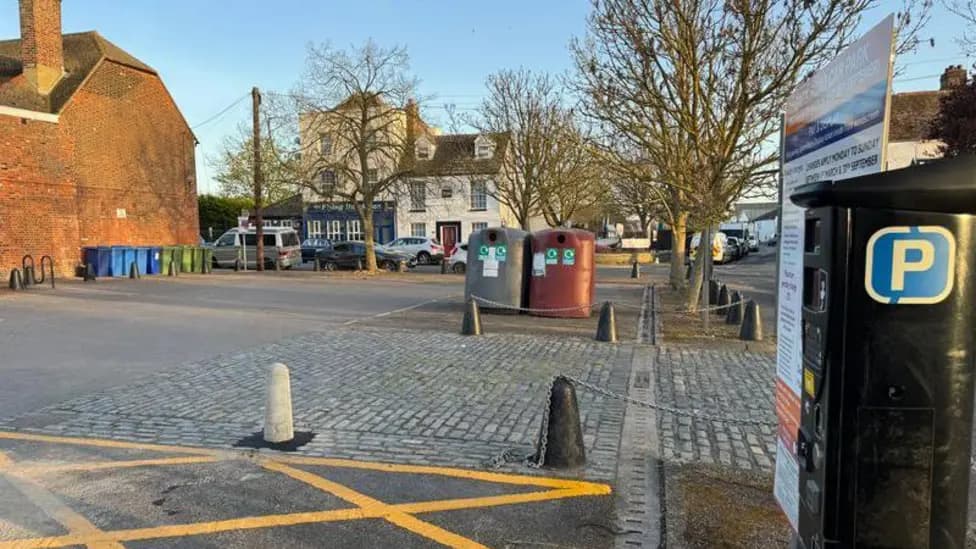
New parking charges introduced by Swale Borough Council in Queenborough, on Kent's Isle of Sheppey, have left a previously bustling car park deserted. The local authority, facing a £13 million debt, implemented the fees to align the site with other car parks across the borough, a move that has sparked local indignation and a widespread boycott.
Businesses in the area, such as The Flying Dutchman pub, fear significant loss of trade. Matthew Nichol, a barman, stated, "It's always been free and it's been free for a reason - for local business to have a chance of thriving."
Deep-Rooted Financial Hardship on the Isle of Sheppey
The situation in Queenborough is symptomatic of broader financial distress across the Isle of Sheppey, one of England's most economically vulnerable communities. Residents contend with widespread insolvencies, bankruptcies, and a pervasive sense that "there's no money here." Kent County Council, which also serves the area, carries a debt exceeding £650 million, leading to further service cuts and increased charges.
Evidence of this hardship is clear at local Citizens Advice clinics. Supervisor Blake Harmer reported clients presenting "a carrier bag full of unopened letters," indicative of severe, unaddressed debt from credit cards, loans, council tax, and mortgages. Shania, a 22-year-old mother, detailed her recent eviction due to mould and her struggle to find affordable housing, while Nick highlighted his inability to afford holidays despite working 60-hour weeks.
Struggling Economy and Infrastructure
The High Street in Sheerness, the island's main town, reflects the economic downturn with numerous shuttered retail units. Paula Desai, a former furniture restorer, closed her Sheerness shop, describing it as "soul-destroying" due to lack of trade, and has relocated to Folkestone where business is significantly better. Sheppey FM, the community radio station, also struggles to secure local advertisers, a critical income source.
Poor infrastructure further compounds the island's problems. Cuts to bus services by Kent County Council mean that in villages like Rushenden, public transport is severely limited, impacting residents' ability to access work at sites such as the Aldi distribution centre. Unemployment on Universal Credit on Sheppey is higher than the England average, with approximately three-quarters of claimants out of work.
Educational outcomes are also a concern, with only 16.8% of residents holding higher education qualifications, half the national average. This lack of opportunity is linked to rising crime rates, including violent and sexual assaults, and shoplifting. Alison Backshall, who operates the Sheppey Support Bus, noted that some individuals resort to drug dealing out of desperation to support their families.
Despite recent funding injections, including £20 million from the Levelling Up Fund and £2 million annually from the Pride in Place programme, these investments have not alleviated the underlying financial strains. Funding for essential services, such as the Seashells family hub, which supports up to 400 children weekly, has been drastically cut. Labour MP Kevin McKenna acknowledged the need for "a complete rebuild" of the island to create new job opportunities, while also defending the government's national tax increases as necessary to "remodel the whole economy."