Regional Elections Expose Fragmented British Political Landscape, Threatening Labour Dominance
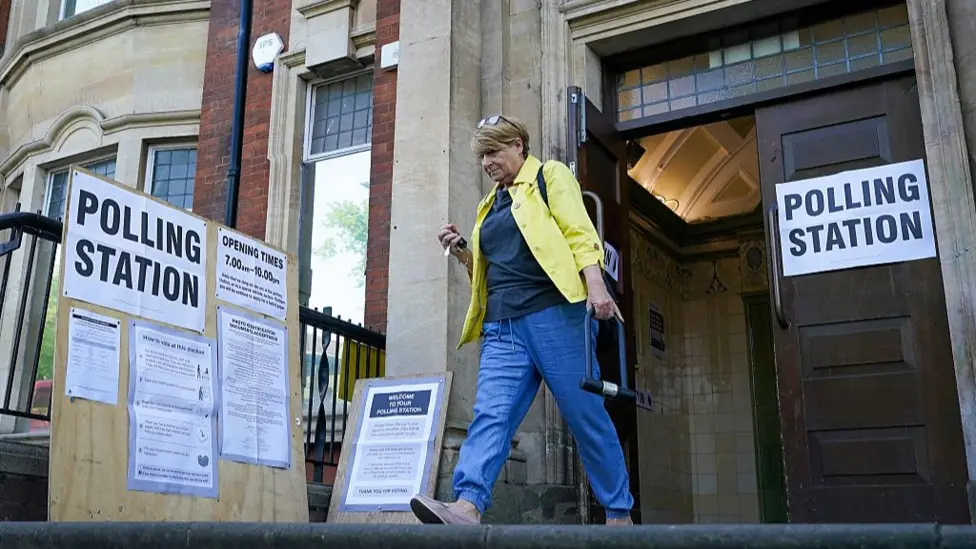
Voters across Britain are heading to the polls this Thursday in a critical set of elections that will determine local governance and influence national political trajectories. These contests are set to demonstrate a profound reordering of British politics, moving beyond the traditional dominance of Labour and the Conservatives.
The Widening Electoral Palette
For decades, the political landscape was largely defined by Labour and Conservative parties. However, contemporary British politics is increasingly multifaceted. English local contests feature not only the Liberal Democrats but also Reform UK, the Green Party of England and Wales, and a surge in competitive independents. In Wales, Plaid Cymru continues to challenge, while Scotland sees the Scottish National Party and the Scottish Green Party advocating for independence.
This fragmentation coincides with a rare period where both Labour and the Conservatives are experiencing significant unpopularity simultaneously. This trend was evident in the last general election, where Labour secured a majority with its smallest ever vote share, and the Conservatives polled under 30% for the first time since 1832. Electoral analyst Professor Sir John Curtice has noted that “the basic assumptions of British politics – there isn’t enough space for a party to the right of the Tories or the left of Labour – have gone.”
Labour's Vulnerabilities Exposed
Labour faces considerable challenges, particularly in Wales, where it confronts the prospect of losing control for the first time in a century, having won every general election since 1922 and every devolved election since 1999. The Scottish National Party is anticipated to maintain its stronghold in Scotland, capitalising on Labour's diminished support.
In England, Reform UK aims for gains in traditional Labour areas such as Barnsley and Sunderland. The Liberal Democrats are targeting Conservative strongholds in rural southern England, including parts of Surrey and Hampshire. A significant factor in these elections is the rise of independent candidates, many focusing on issues such as the government’s approach to the Middle East, particularly the ongoing situation in Gaza. These candidates are expected to perform strongly in areas with large Muslim populations, including parts of Lancashire, Birmingham, and east London.
Should Labour endure a substantial setback from various rivals, it will inevitably intensify internal discussions regarding the party's direction and leadership, potentially impacting Sir Keir Starmer's position. The coming days are poised to deliver a stark illustration of Britain's shifting political allegiances and public discontent.