Kenya Public Transport Operators Strike Nationwide Over Fuel Price Increases, Paralyzing Commuter Services
Public transport operators across Kenya commenced a national strike, bringing major cities and towns to a standstill. The industrial action follows a government-mandated increase in petroleum prices by over 20%, pushing costs to unprecedented levels.
Disruption and Confrontation
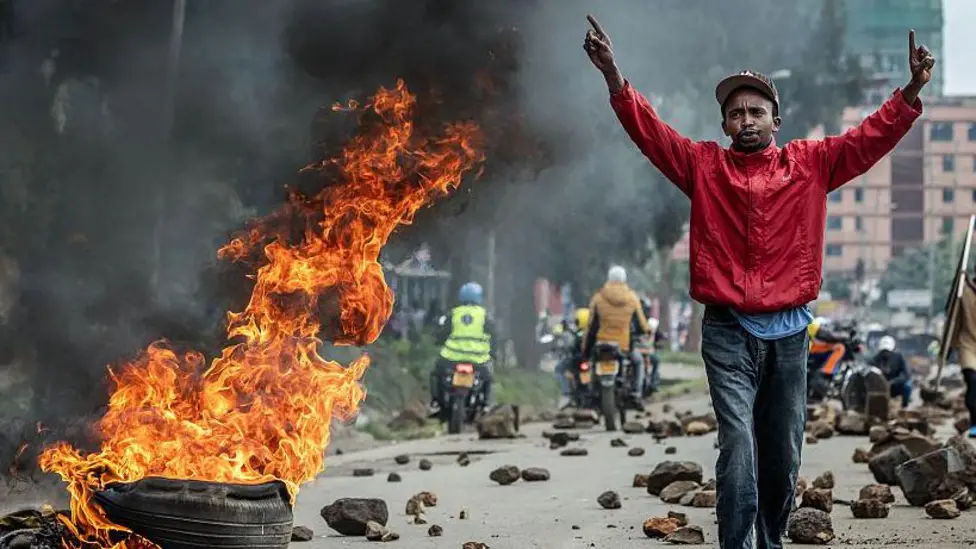
Key thoroughfares in Nairobi, the capital, were largely deserted as commuters were forced to walk to work. Many businesses in Nairobi remained closed, and educational institutions advised pupils to stay at home. Reports from Monday detailed protesters barricading roads and setting fires, leading to clashes with police who deployed tear gas to disperse demonstrators. Some motorists were reportedly stopped and harassed by those participating in the strike.
Ahead of the coordinated shutdown, the Transport Sector Alliance (TSA), representing operators, had called for all vehicle users, including private motorists and truckers, to refrain from using the roads. The TSA stated, “This action is not only for transport operators, but for every Kenyan citizen,” demanding a 35% reduction in fuel prices and a reversal of the recent increases.
Economic Impact and Western Policy Linkage
Kenya's reliance on fuel imports from the Gulf, a supply route affected by the US-Israel conflict with Iran since 28 February, has been cited as a factor in the price surge. While a ceasefire has been announced, prices have remained elevated due to continued blockages in the Strait of Hormuz, a critical chokepoint for global oil transit.
Treasury Minister John Mbadi acknowledged the