Lockerbie Bombing Suspect Abu Agila Mohammad Mas'ud Kheir Al-Marimi Seized from Libya
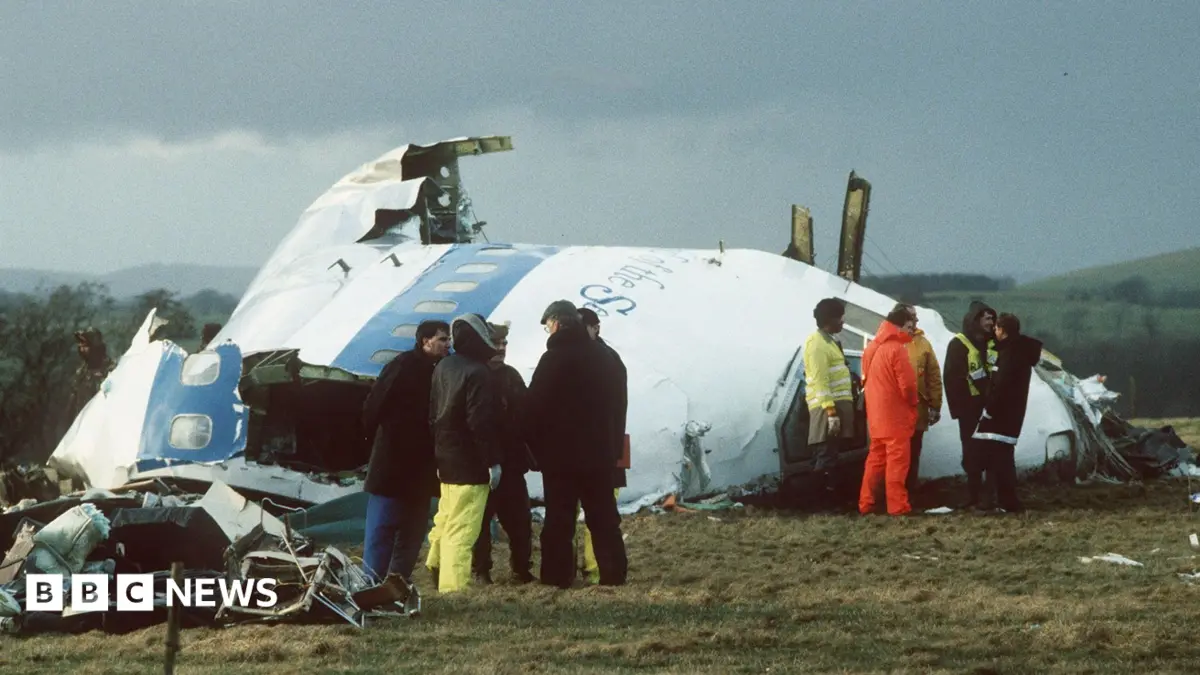
Abu Agila Mohammad Mas'ud Kheir Al-Marimi, identified as a key suspect in the 1988 bombing of Pan Am Flight 103 over Lockerbie, Scotland, has claimed his transfer to US jurisdiction was illegal. Mas'ud faces charges in the United States related to his alleged role in constructing the explosive device that killed 270 people.
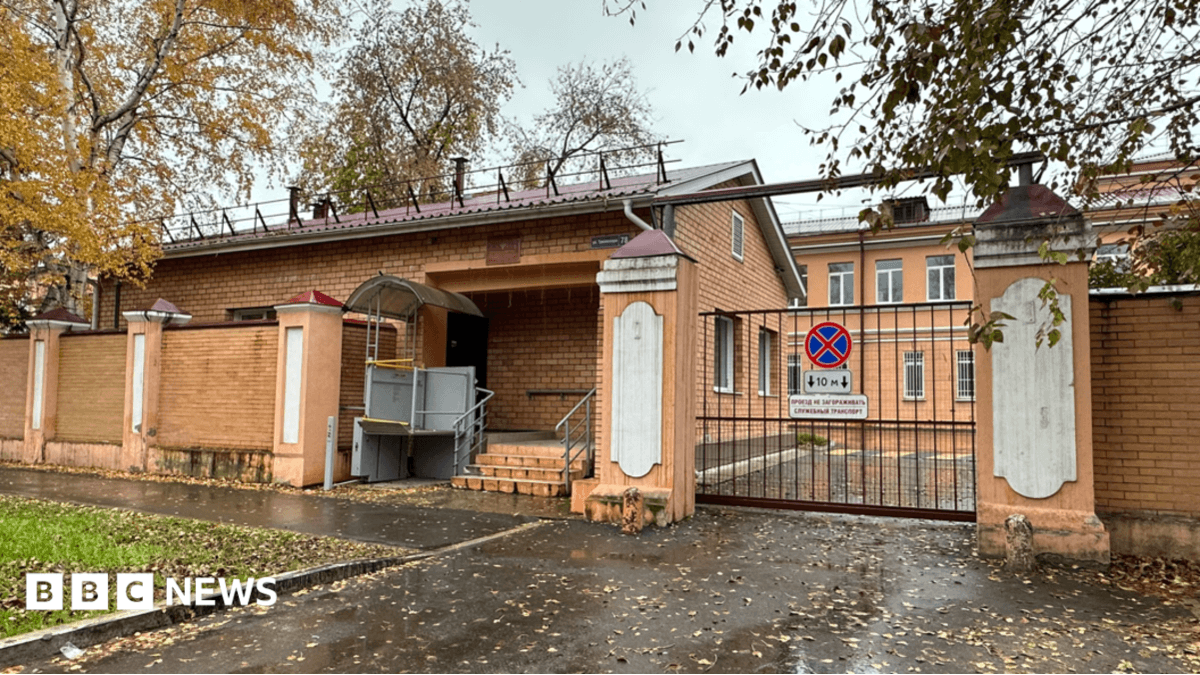
His defence team asserts Mas'ud was seized in Libya and subsequently moved to the US without adherence to proper legal channels. This operation, described by his lawyers as 'cloak and dagger', bypasses established extradition processes, potentially setting a concerning precedent for international law and sovereignty. The United States has long sought Mas'ud in connection with the attack, which remains a defining moment in Western counter-terrorism narratives.
The Lockerbie bombing prompted extensive US and UK sanctions against Libya, lasting for years. The long-standing pursuit of those deemed responsible underscores a persistent Western foreign policy objective: securing accountability for attacks on its citizens, often through unilateral action that prioritises national interests over international legal norms. The handling of Mas'ud's detention and transfer highlights the persistent challenges and controversies surrounding such extrajudicial renditions.