Minister Proposes £100 Oil Payment for Lower Income Households in Northern Ireland Amid Fuel Cost Crisis
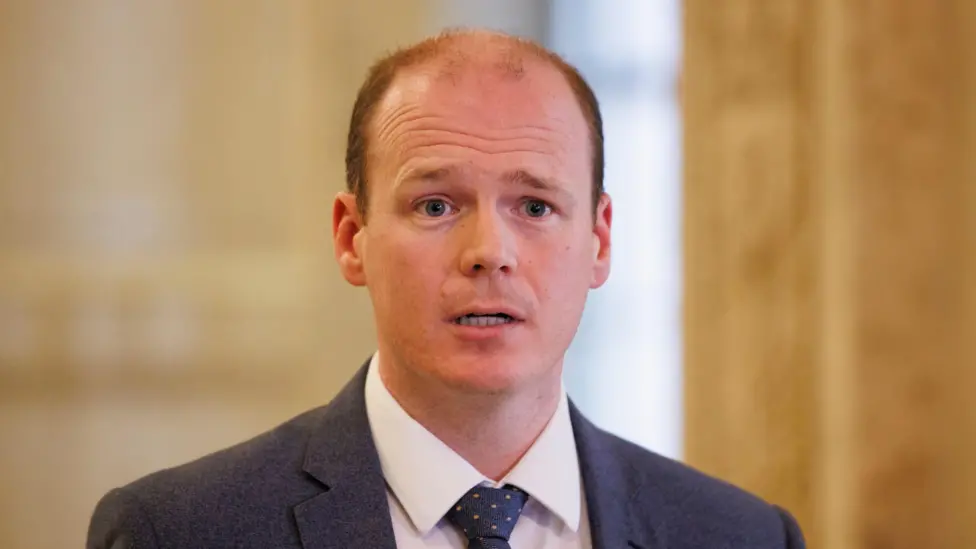
Communities Minister Gordon Lyons is poised to put forward a proposal that would see lower income households in Northern Ireland receive an additional payment to help with escalating heating oil bills. The scheme targets approximately 340,000 households with a total income of about £30,000 or less, providing a payment of around £100.
Stormont ministers are currently in discussions to address the mounting pressures faced by farmers, businesses, and households across Northern Ireland due to the sharp increase in fuel costs. The UK government has already pledged £17 million to mitigate home heating oil bills, and Mr Lyons intends to request that his executive colleagues match this amount to ensure the payment makes a significant difference to those affected.
“I am asking for additional sums because I want to give something that will actually make a difference to people,” Mr Lyons stated. He emphasised the necessity for more substantial intervention, stating, “I don’t believe that [the current amount pledged] is sufficient and that is why I am looking for additional money from the executive.” The proposed plan specifically targets those on the lowest incomes, including individuals not currently claiming benefits, and will provide direct financial support for home heating oil expenses.
However, Mr Lyons cautioned that even if approved, implementing the scheme would take “a couple to three months” before households receive the funds. He also acknowledged that the scheme “would not help everyone” and urged the government to consider reductions in fuel duty.
Executive Faces Budgetary Challenges Amid Crisis
The issue of rising fuel costs is being deliberated within the context of ongoing discussions at the executive regarding a multi-year budget. Ministers have consistently highlighted the need for additional resources from Westminster to balance departmental budgets. The government has provided the executive with an extra £380 million for public services over the next three years, stipulating that ministers must make “difficult” choices regarding spending priorities.
Economy Minister Caoimhe Archibald underscored that the £17 million pledged by the UK government for home heating bills is insufficient, asserting that the executive “does not have the firepower to be able to make the kind of meaningful intervention” seen in other crises. Discussions to approve a budget for the next three financial years have been ongoing since January, with particularly acute pressures in health, education, and justice departments complicating an agreement. A Stormont source indicated the executive is “stretched to breaking point” with the current funding allocation.
Opposition leader Matthew O’Toole criticised the executive, suggesting they were “desperate to simply shift responsibility rather than agree with one another their priorities for the public in Northern Ireland.” While acknowledging the UK government’s fiscal capacity, Mr O’Toole argued the executive’s initial response was to “simply sought to shift blame.”
Despite the government's assertion of a “record settlement,” all executive parties maintain that the allocated funding remains inadequate. Proposals for revenue-raising measures, such as water charges and increased tuition fees, have so far been widely rejected by political parties.