Morgan McSweeney Denies Vetting Pressure Claims Ahead of MP Appearance Next Week
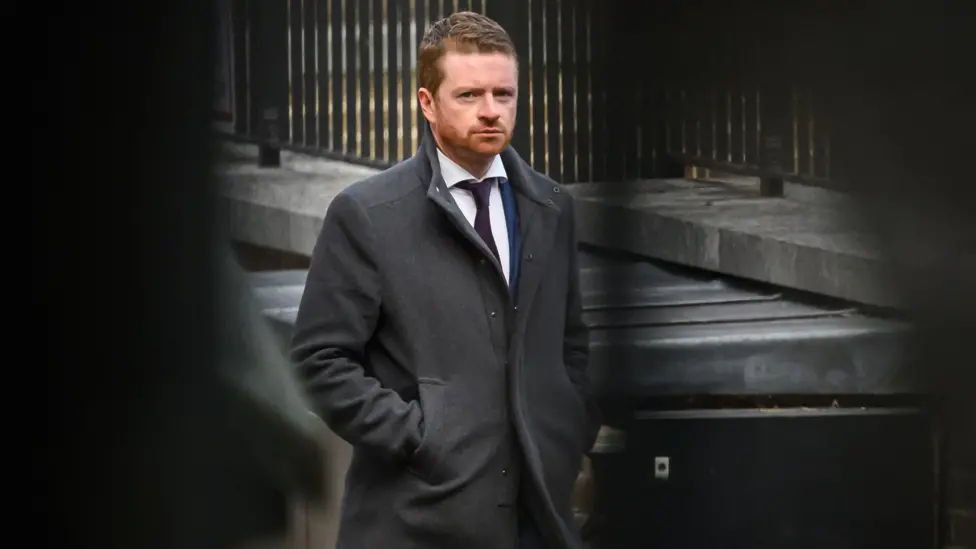
Morgan McSweeney, Sir Keir Starmer's former chief of staff, has publicly denied descriptions of his behaviour in the media, particularly concerning the vetting of Lord Mandelson for the US ambassador role. Speaking at the Kyiv Security Forum on Thursday, McSweeney stated he found it "strange reading about a character with the same name as mine sometimes."
Mandelson Appointment Controversy
McSweeney's comments mark his first public address since his resignation in February, which followed Lord Mandelson's appointment and subsequent dismissal. He expressed regret over his advice to Sir Keir Starmer regarding the appointment but declined to elaborate further, citing an upcoming appearance before the Foreign Affairs Committee next week. The committee is expected to question McSweeney on whether he exerted pressure on civil servants to expedite Lord Mandelson's security clearance.
Lord Mandelson received security clearance despite vetting officials reportedly raising concerns. Sir Olly Robbins, a former senior Foreign Office civil servant, accused Downing Street this week of a "dismissive" attitude towards the vetting process, a claim Number 10 has refuted. Lord Mandelson was dismissed by Sir Keir in September after new information surfaced regarding his connections with the late convicted sex offender Jeffrey Epstein.
McSweeney Rejects Characterisations
When pressed on reports of his conduct and alleged pressure on civil servants, McSweeney responded, "I don't recognise that description of me." He added, "I'm not going to say too much right now, I'm seeing the MPs next week and I don't want to in any way disrespect their process."
McSweeney's tenure in Downing Street drew criticism from some Labour MPs, who reportedly linked his name to perceptions of a "boys' club" culture. However, he is also credited with masterminding Sir Keir Starmer's ascent within the Labour Party and subsequent path to Downing Street. McSweeney reiterated that he took "full responsibility" for his advice on Lord Mandelson's appointment, stating, "I think it's right to take responsibility when you get the call wrong."