New English Law Grants Community Groups Right to Buy Local Assets, Extending Funding Window
New legal provisions in England have granted community groups a 'right to buy' local assets, a significant shift described by ministers as the 'biggest transfer of power to our communities in a generation'. Under the English Devolution and Community Empowerment Act, organisations now have a 12-month window to secure funding for purchasing community assets without challenge.
Previously, a 'right to bid' offered a six-month fundraising period for assets of community value, yet a study indicated only approximately 2% of such assets transitioned into community ownership, largely due to insufficient time for fundraising.
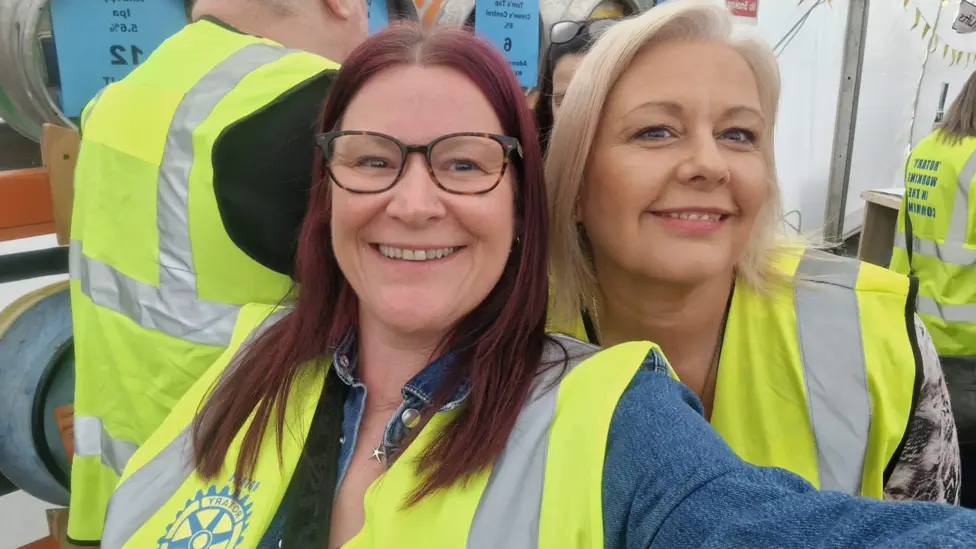
Debbie Taylor, from Domestic Abuse WA12 in Newton-le-Willows, Merseyside, has been attempting to acquire the derelict Ram's Head pub for nearly three years. This new legislation offers her organisation the prospect of transforming the site into a community hub. Taylor stated, "It's more than a building. It's what it can represent in the future for us and for the families that we're supporting. It's safety, stability, a future for people in our communities left with no options when they're in crisis."
Concerns Over Funding Despite Expanded Rights
The new law also broadens the definition of an 'asset of community value', removing the five-year usage cap and including assets contributing to economic as well as social wellbeing, alongside a new sporting category. This change could benefit groups like Coalville CAN in Leicestershire, which seeks to convert a shuttered market hall into a community hub.
However, Tony Armstrong, chief executive of Locality, a national network for community-led organisations, expressed reservations. He noted that the government has not renewed the £150 million Community Ownership Fund. Without this dedicated funding, Armstrong fears that despite the extended 12-month window, only wealthier communities will realistically be able to raise the necessary capital. "The key risk for this is that it remains an achievement on paper, rather than being something which can be taken up, up and down the country. I think that's our real concern," he commented.